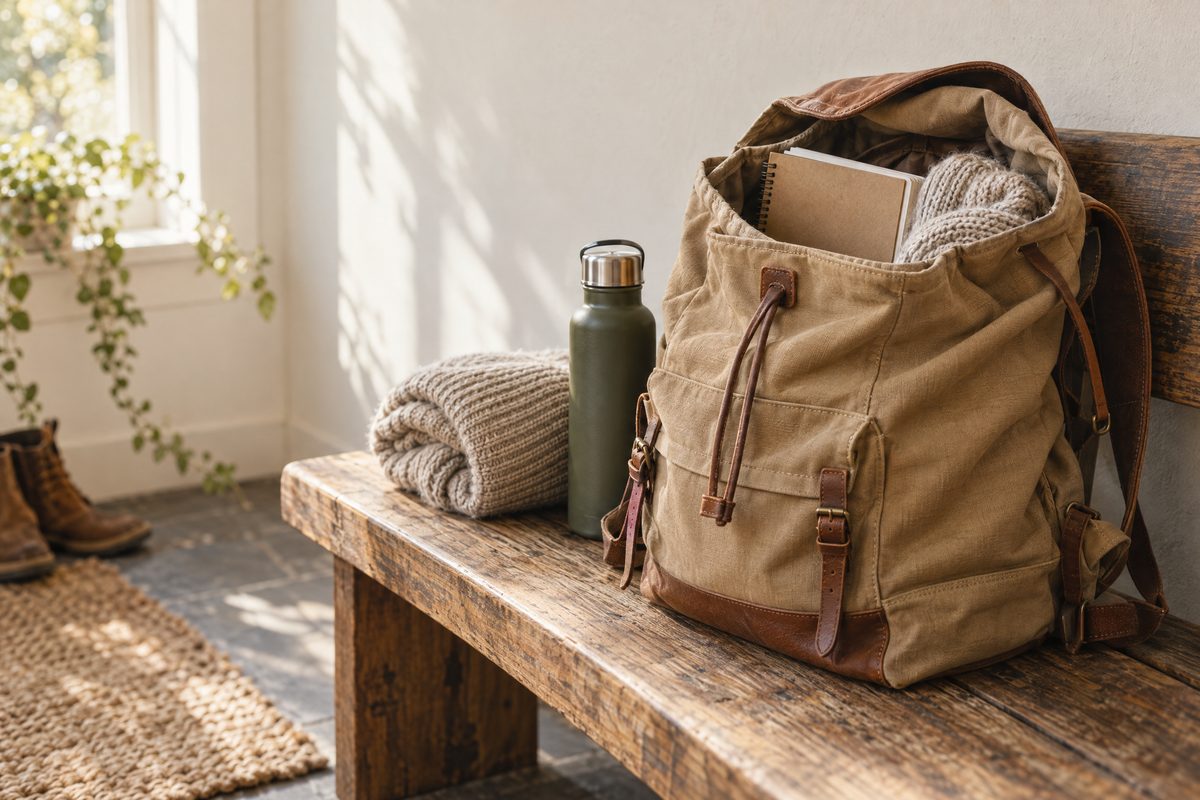
Backpack history traces a simple human need: carry your things and free your hands. From animal hides and wooden frames on rural trails to canvas and leather daypacks on city streets, the story of the pack is a practical tale of design meeting purpose.
The Long Trail: Backpack History to the 19th Century
The earliest steps in backpack history are humble and obvious. Hunters, gatherers, and early travelers needed ways to move food, tools, and shelter without stopping every mile. In many regions that meant carrying loads on the back using straps made from plant fibers, leather, or woven materials.
By the 1700s and 1800s, as exploration and long-distance travel increased, frame packs—often simple wooden frames with a hide or cloth sling—became common. These early designs focused on load distribution: a load carried on a well-supported frame is easier on the spine and shoulders over long distances. Rural communities, soldiers, and explorers all adapted basic pack ideas to local materials and needs.
Key developments before industrial manufacturing
- Simple straps and slings from leather or woven materials
- Wooden frames to keep loads off the back and improve airflow
- Use of natural fibers and sewn hides to create weather-resistant carriers
These early solutions set the stage for the mass-produced packs that arrived once factories could cut and stitch canvas and leather at scale.
Backpack History and Design Evolution in the 20th Century
The 20th century is where backpack history accelerates. Two world wars, the rise of outdoor recreation, and urbanization all pushed pack design forward. Military packs introduced standardized frames, durable materials, and modular attachments. Post-war outdoor culture—hikers, mountaineers, and campers—brought those innovations into civilian life.
In the 1960s and 70s, canvas and leather packs were common for both utility and style. Then, synthetic materials and new manufacturing methods arrived. Designers began to think about comfort (padded straps, lumbar support), organization (multiple compartments and pockets), and specialization (packs made for climbing, skiing, commuting, or travel).
The rise of mass transit and daily commuting in cities led to a new need: packs that work for work. Laptop compartments, sleek silhouettes, and weather-resistant fabrics became standard features. This is where the everyday backpack as we know it began to take shape.
Innovations that mattered
- Padded shoulder straps and ergonomic shaping for comfort
- Multiple compartments for organization and tech protection
- Durable canvas and leather blends that balance look and longevity
These features moved packs from a single-purpose tool to a versatile, everyday carry item.
From Trail to Street: The Everyday Backpack
When people talk about an everyday backpack, they mean a pack that bridges purpose and life: carrying a laptop to the office, food for a day trip, or essentials for a weekend away. Understanding backpack history helps us see why modern designs look the way they do—comfort, organization, and materials rooted in decades of incremental improvements.
Everyday uses and how design supports them
- Commuting: Padded laptop compartments, easy-access pockets for keys and phone
- Travel: Durable fabrics, grab handles, and luggage pass-throughs for airport use
- Day trips: Lightweight construction, water bottle pockets, and simple organization
For many people, the best everyday backpack is one that balances size, durability, and style. Materials like genuine cowhide or canvas give a timeless look; PU leather can offer a softer budget-friendly option. At Tin Bucket Mercantile we design packs that nod to tradition—sturdy stitching, brass hardware—while keeping features that matter to modern life.
Choosing a Practical Everyday Backpack
Picking the right everyday backpack means matching the pack to how you live. Here are practical points to keep in mind, drawn from the long arc of backpack history and current everyday needs.
Material and construction
- Leather: Classic look, ages well, best for structured everyday backpacks
- Canvas: Lightweight, breathable, and rugged for casual carry
- PU leather: Affordable alternative with easy care
- Linings and stitching: Look for reinforced seams and quality zippers
Fit and comfort
- Straps: Padded, contoured straps help distribute weight
- Back panel: Breathable or lightly padded backs reduce sweat and add comfort
- Load: Carry only what you need—heavier packs need better support
Organization and features
- Laptop sleeve: Padded compartment sized for your device
- Pockets: Quick-access pockets for phone, keys, wallet
- External pockets: For water bottles and small essentials
Practical checklist — what to look for in an everyday backpack:
- Comfortable shoulder straps and a supportive back panel
- A secure, padded laptop or tablet compartment
- Durable material suited to your daily life (leather or canvas)
- Thoughtful pockets for smaller items and easy access
Quick comparison table
| Feature | Best for Leather Packs | Best for Canvas Packs |
|---|---|---|
| Durability | High | High |
| Weather resistance | Moderate (with care) | Good (treat for water) |
| Style | Classic, structured | Casual, relaxed |
| Price range | Mid to high | Low to mid |
Practical Care: Make Your Pack Last
Backpack history shows us that packs built to last become family staples. With a little care, your leather or canvas pack can serve you for years.
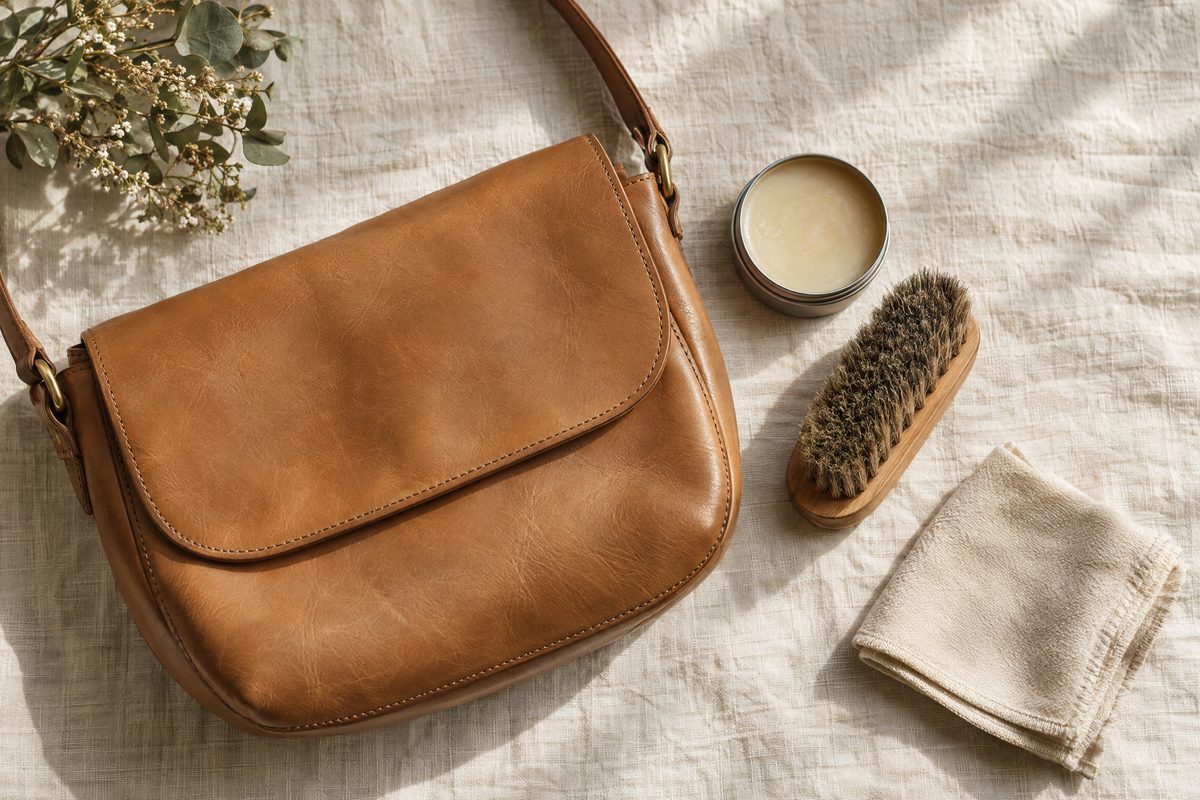
- Regular cleaning: Brush off dirt, wipe leather with a damp cloth, use a conditioner sparingly
- Protect from moisture: Store in a dry place and treat canvas with a water repellent if you expect heavy rain
- Repair small issues: Replace a zipper or reinforce a seam early to avoid bigger damage
If you choose a everyday backpack built from genuine cowhide or sturdy canvas, a few simple habits will extend its life and keep it looking right at home in town or on the road.
A Note on Travel Bags and Specialty Packs
Backpack history is closely tied to travel bags and specialty packs. For overnight trips and longer journeys, duffels and travel bags offer different benefits: wider openings, larger main compartments, and sometimes wheels or straps that convert to carry backpacks. If your plans include both commuting and weekend travel, consider a pack or travel bag combination that covers both needs.
Explore travel-ready options in our travel bags collection or find a versatile daypack among our backpacks.
Why Small-Town Mercantile Packs Still Matter
Designers today often look back to practical, durable solutions from small workshops and field-tested gear. That blend of sensible design and honest materials is the core of our approach at Tin Bucket Mercantile: bags that do their job without fuss. Our packs reflect a history of hands-on use—sturdy straps, sensible pockets, and materials chosen to age gracefully.
Learn more about our roots and our approach on our story, where we talk about making gear that fits real lives.
Where practical meets personal, a good pack becomes more than an accessory—it’s a companion on the road between home and work, errands and escapes.
Where to Find Yours
If you want to feel a pack before you buy, visit Tin Bucket Mercantile at 222 Main Street, Dallas, GA 30132. Our team can help you try on different sizes, compare materials like genuine cowhide and canvas, and find a pack that suits your daily routine. Prefer to shop from home? Browse our full selection online at shop all bags. For hours or directions, see our store location or contact us.
Tin Bucket Mercantile, LLC — honest gear, practical design, and the kind of customer care you’d expect from a small-town mercantile.