Leather quality matters whether you carry a simple wallet to the farmers' market or a well-worn shoulder bag that holds your daily essentials. Knowing what to look for helps you pick a bag that looks right for your life and stands up to regular use without surprises.
What we mean by leather quality
When we talk about leather quality, we mean several things at once: the leather's origin and tannage, how it's finished, its durability, and how it will age. Good leather isn't just about a soft touch or a deep color. It's about how the material performs over months and years—how it resists scuffs, how it breathes, and how it develops character.
Key factors that define leather quality
- Hide source and thickness: Full-grain hides from the top layer are generally stronger and more durable. Thinner splits or bonded layers won't age the same way.
- Tanning method: Vegetable-tanned leather patinas differently than chrome-tanned leather. Both have merits, but the tanning affects longevity and care.
- Finish and coatings: Heavy surface coatings may look uniform at first but can crack or peel. Aniline and semi-aniline finishes often show more natural character.
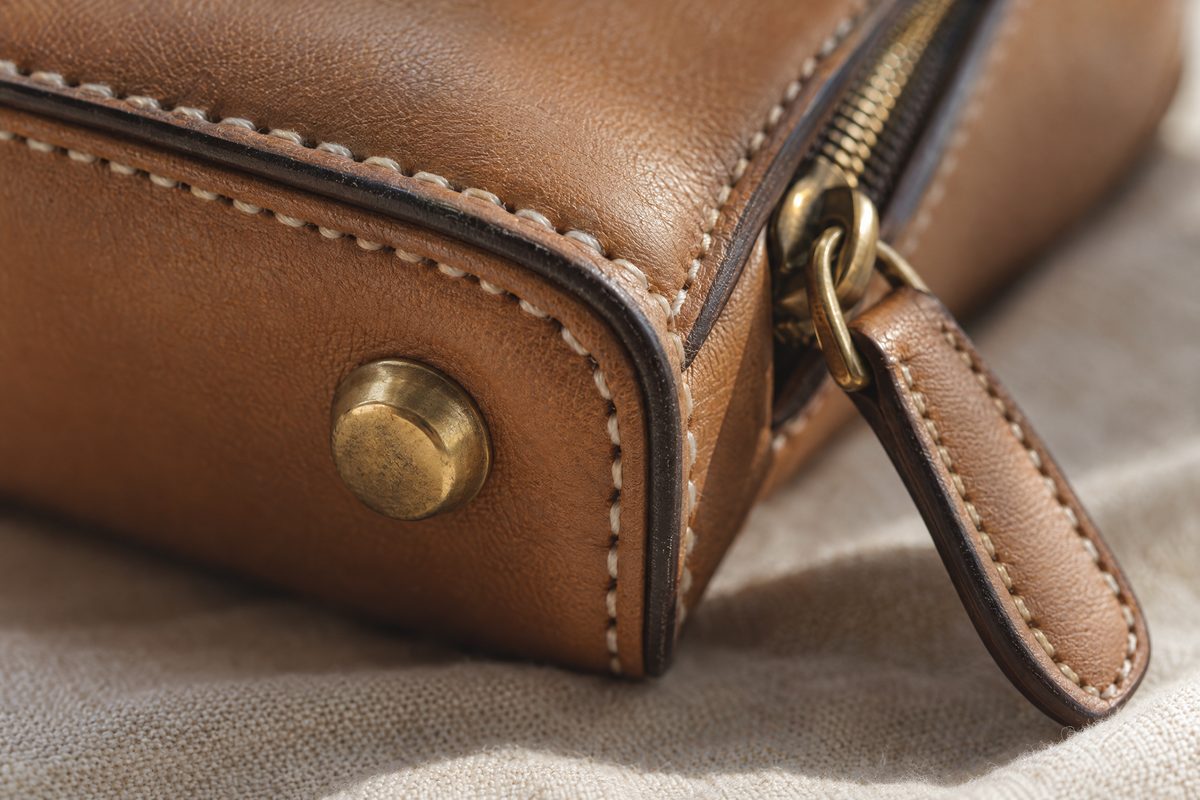
- Stitching and construction: Even the best leather looks cheap if the stitching, rivets, and hardware are poorly done.
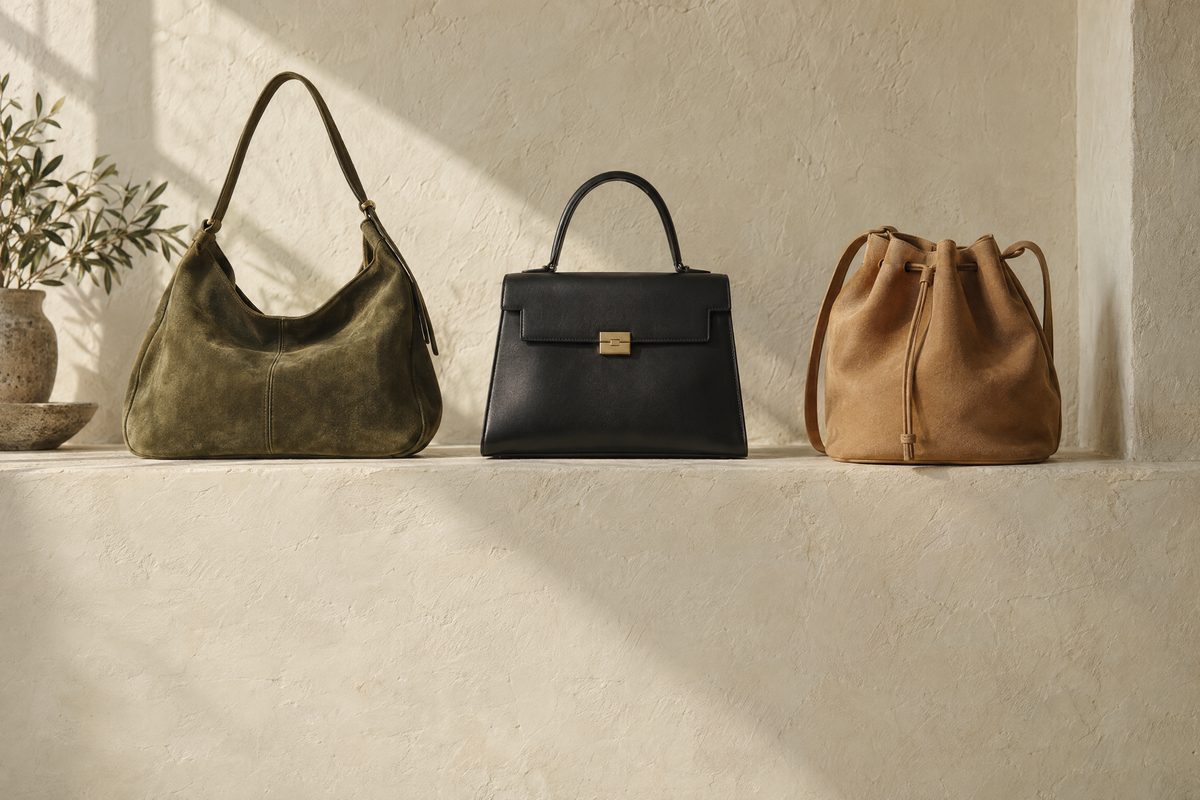
Choosing genuine leather bags is an important part of this equation. The label alone won’t tell you the full story—genuine leather can refer to several grades. That’s why understanding leather grades explained below helps you make a practical choice, especially for everyday items like a shoulder bag.
How leather quality affects a shoulder bag
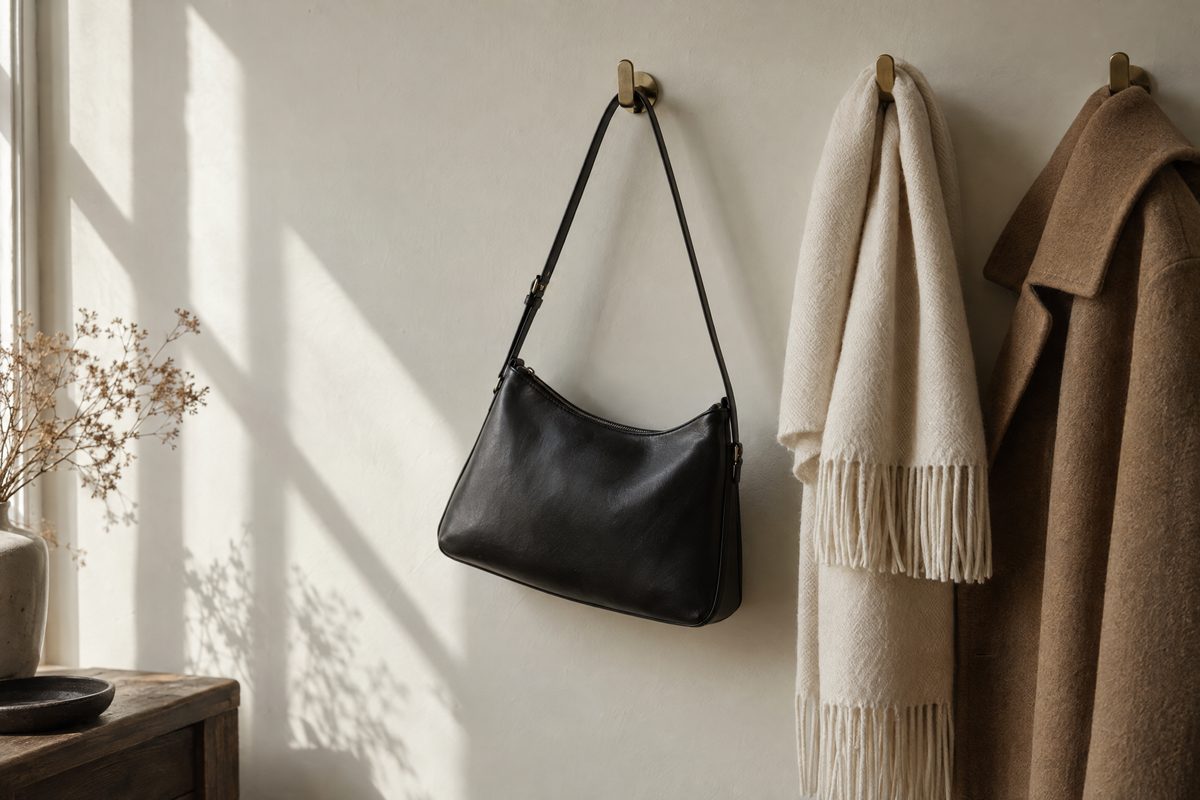
A shoulder bag is frequently in contact with your body, gets swung from arm to shoulder, and often carries varied contents. Because of that, leather quality matters more here than in some other accessories.
- Comfort and weight: Higher-quality leathers tend to drape and flex better. A quality leather handbag or shoulder bag will feel balanced on your shoulder rather than stiff or awkward.
- Wear patterns: Good leather develops an attractive patina—softening and gaining character—while lower-quality leather or coated surfaces might crack or peel where the bag folds or rubs.
- Hardware and load-bearing: Leather strength affects how the bag bears weight. Stronger leather and solid construction keep straps from stretching or tearing at stress points.
Practical tips when evaluating a shoulder bag in person or online:
- Look at the edges and seams—do they show raw or finished edges? Finished edges indicate additional work to protect the leather.
- Bend the strap gently—does the leather spring back, or does it crease permanently?
- Check the lining and pockets—quality leather goods often have thoughtful interior layouts that protect the leather from sharp items.
If you want to browse styles that combine useful features with honest materials, start with our selection of shoulder bags and see which silhouettes fit your daily needs.
Leather grades explained: a practical guide
Understanding leather grades explained helps you decode labels and set expectations. Here are the common categories you'll see and what they mean in real use.
| Grade | What it looks like | How it behaves | Typical price range |
|---|---|---|---|
| Full-grain | Natural surface, visible marks | Most durable, develops patina | Higher |
| Top-grain | Sanded surface, uniform look | Durable, easier to finish | Mid to high |
| Split leather (suede) | Fuzzy nap | Softer, less strength | Mid |
| Bonded/Corrected grain | Reconstructed from scraps | Looks uniform, less durable | Low |
| PU leather | Synthetic finish | Water-resistant, less breathable | Low |
A few notes on these grades:
- Full-grain leather is the most durable and ages well. It often commands a higher price but can be the most economical over years of daily use.
- Top-grain leather is slightly more finished—good for a polished look without as much visible character.
- Split leather and suede offer different textures but may not hold up as well under heavy load.
When someone says “genuine leather bags,” that doesn't always mean full-grain. "Genuine leather" is a broad label used on products across the spectrum, so compare the grade, the construction, and how a bag is finished before you decide.
How to choose a quality leather handbag without getting overwhelmed
Start with practical questions about how you'll use the bag and what matters most to you:
- Will it be used daily or occasionally? Daily bags benefit most from higher leather quality.
- Do you prefer a uniform, polished look or a leather that will show character over time?
- Are you carrying heavy items that stress seams and straps?
A simple checklist for shoppers:
- Feel the leather: real leather has some give and doesn’t feel plasticky.
- Inspect hardware: solid metal hardware lasts longer than thin plated pieces.
- Check stitching: tight, even stitches indicate care in construction.
- Look for reinforcement: stress points should be double-stitched or riveted.
- Ask about returns and repairs: a retailer willing to support a bag says a lot about their confidence in its leather quality.
We keep practical designs and clear materials info so you can pick a bag that suits your life—whether it's a weekday shoulder bag, a weekend travel bag, or a compact wallet for quick trips. You can also view everything at once on our shop all bags page.
Caring for quality leather: keep it useful and handsome
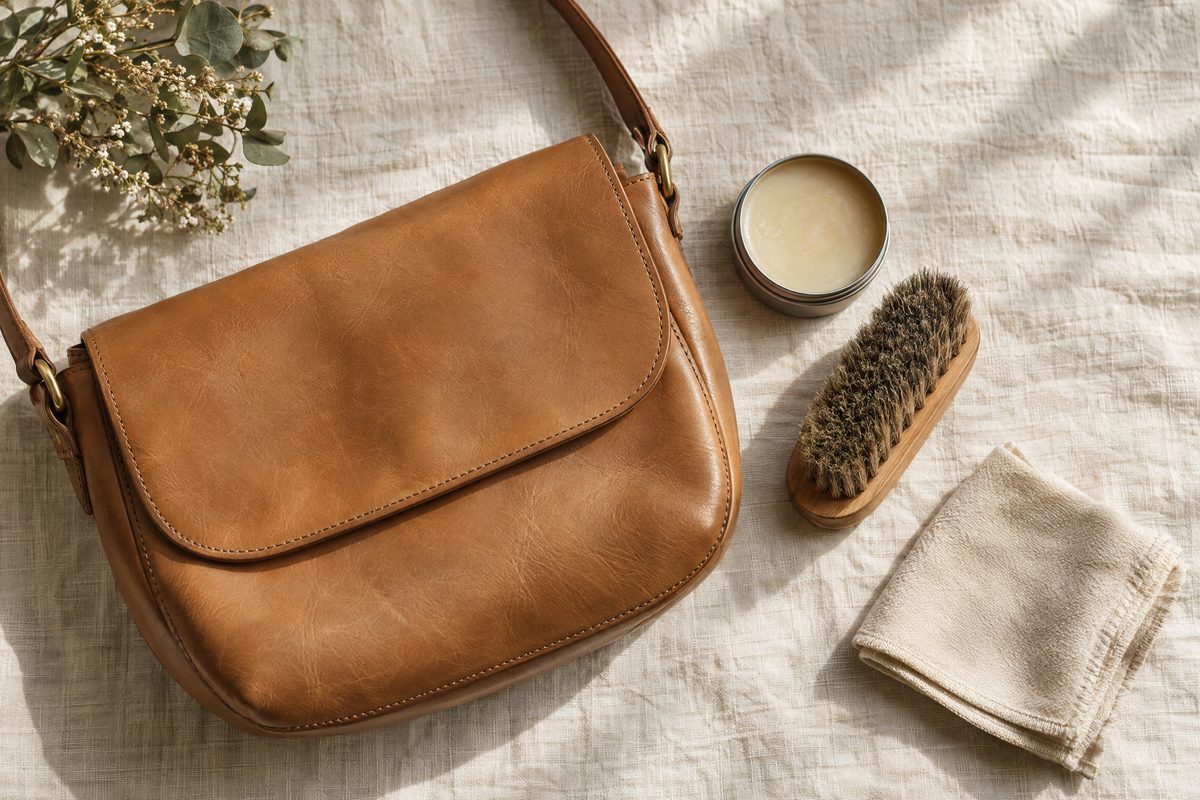
Good care extends the life of leather and keeps a quality leather handbag looking its best. Here are everyday care steps that make a real difference:
- Keep it dry: Blot moisture and let the bag air-dry naturally; avoid direct heat.
- Clean gently: Use a soft brush or damp cloth for dust. For stains, choose a cleaner formulated for that leather type.
- Condition periodically: Use a leather conditioner sparingly—over-conditioning can darken or soften leather too much.
- Store right: Keep in a breathable bag or pillowcase; avoid plastic. Stuff the bag with tissue to preserve shape.
When to seek professional help: deep stains, significant scuffs, or structural issues like broken straps are best handled by a leather repair specialist. We can point you toward trusted services if you need help.
Why a well-made leather shoulder bag is worth it (even on a budget)
We hear from customers who prefer practical value over flashy trends. A properly constructed shoulder bag made from good leather can be the most economical choice in the long run. Even within our modest price range, leather quality affects:
- Longevity: a sturdier bag keeps its shape and function for years.
- Repairability: solid leathers and good construction are easier to repair.
- Everyday comfort: soft, well-tanned leather carries comfortably and molds to your routine.
If your budget is tight, prioritize construction and stress points over exterior perfection. A simpler finish in full-grain or top-grain leather often outperforms a heavily corrected surface that looks flawless but won't take many knocks.
Small-town sensibility: buy what you can use
At Tin Bucket Mercantile we favor honest descriptions and reliable materials. We don’t chase luxury hype or shout discounts—our approach is practical and steady. If you want a bag that works with how you live, start with the basics: sturdy straps, dependable closures, and a leather type that suits your needs. Read product notes, feel the leather when you can, and ask questions—we're happy to help by phone or email.
If you're focused on a smaller carry, explore our wallets for compact leather options that match our bags.
Where to Find Yours
Tin Bucket Mercantile is right on Main Street in Dallas, Georgia. Visit us at 222 Main Street, Dallas, GA 30132 to see and feel shoulder bags and other styles in person, or browse our selection online at shop all bags. If you have questions, reach out via contact us or call +1 404-409-5154. Come by the store to try on a shoulder bag and get a sense of leather quality for yourself—we're here to help with honest, practical advice.