Why the Waist Bag Never Really Left
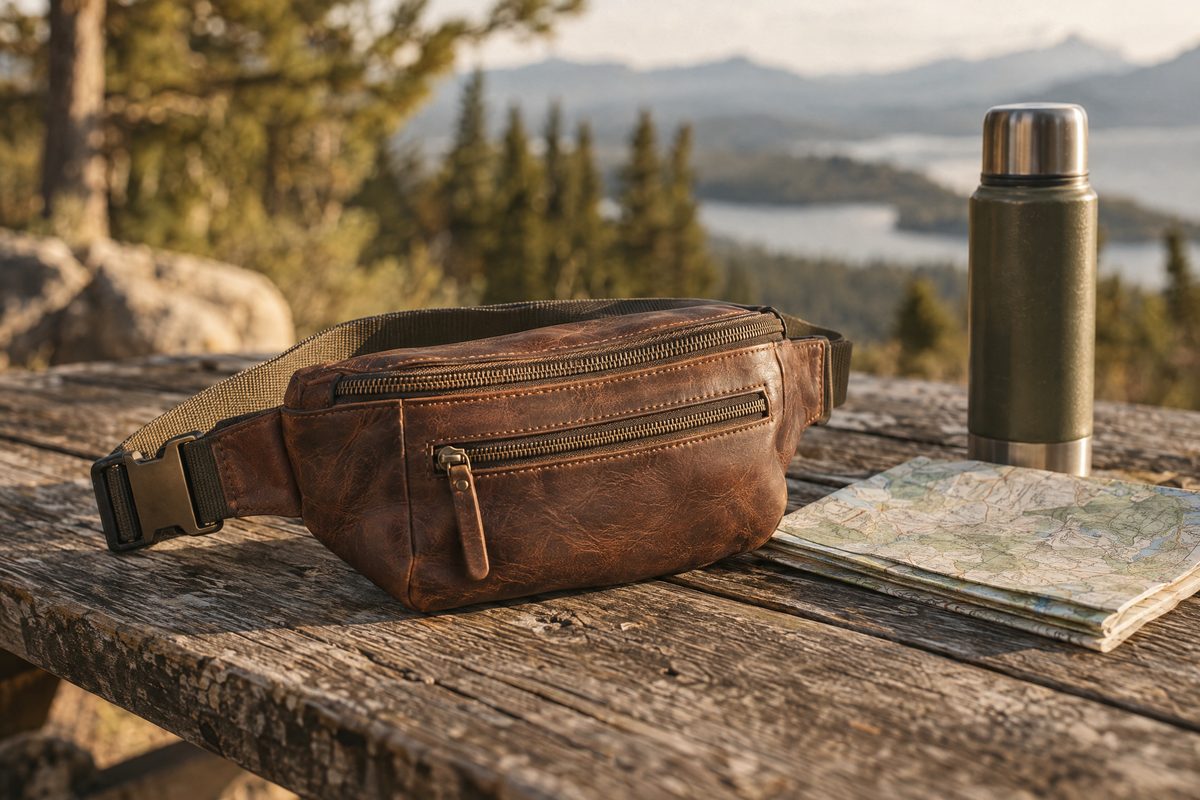
The waist bag trend isn't a fad that came and went; it's a practical solution that reappears whenever people want a simple, hands-free bag that carries the essentials. From village markets to weekend getaways, the waist bag has roots in function and a style that adapts—whether made in canvas, genuine leather, or a weather-ready PU.
Why the waist bag trend keeps rolling
The reason the waist bag trend endures is straightforward: convenience. It sits where you can reach it, keeps valuables close, and frees your shoulders. That kind of common-sense usefulness explains why the bag — sometimes called a hands-free bag or remembered as part of a fanny pack comeback — never fully disappears.
Practical roots and the waist bag history
This isn’t about fashion myths. The waist bag's history starts with utility: people needed a discreet, accessible place for keys, coins, or tools. Over decades it shifted through decades of style and function — worn at the hip, slung forward, or even across the chest — but its purpose has been steady. The modern waist bag keeps that utility with updated materials like durable canvas and lightweight PU leather, plus the occasional suede or genuine cowhide panel for durability.
Why people reach for a hands-free bag
- Easy access: you can grab a wallet or phone without taking the bag off.
- Security: it’s close to your body, discouraging pickpockets.
- Comfort: light and compact, it won’t drag on your shoulders.
- Versatility: wear it at the waist, across the chest, or as a crossbody.
How the waist bag trend fits different lives
Whether you’re running errands, traveling, chasing kids, or walking the dog, a waist bag works. That makes the waist bag trend appeal to many ages and lifestyles. Below are ways different folks use the bag and what to look for.
For travelers and weekenders
Choose a waist bag with secure zip compartments and a water-resistant exterior. A compact design that still fits passport, phone, and a small wallet keeps essentials reachable. For longer trips, pair a waist bag with a travel bag or carry-on for the items you need most often.
For daily commuters and shoppers
A slim profile that tucks under a jacket is handy. Leather or canvas waist bags match casual and smart-casual outfits without feeling out of place. Consider a bag with an interior pocket for cards and a quick-access front zipper for transit passes.
For parents and caretakers
When your hands are full, a waist bag is invaluable. Look for an adjustable strap and a size that carries wipes, a small snack, and a phone. Keep a spare in your tote or shoulder bags if needed.
For active people and hikers
Breathable materials and a snug, stable fit matter. Nylon or canvas with reinforced seams will stand up to trails and long walks. Make sure the bag sits comfortably at your natural hip or low on the back to avoid chafing.
What to look for when buying a waist bag
Not all waist bags are made the same. Here are clear, practical factors to consider before you buy:
- Size and capacity: Can it hold your daily essentials without bulging?
- Material: Genuine leather and canvas look great and age well; PU and nylon are lighter and easier to clean.
- Strap and hardware: Look for sturdy buckles and an adjustable strap with a comfortable range.
- Pockets and organization: Interior slip pockets and secure zips make a bag much more useful.
- Comfort: Try the fit across your chest and at your waist — the same bag may feel different depending on how you wear it.
Quick comparison table
| Style | Best for | Typical Price Range |
|---|---|---|
| Canvas waist bag | Everyday wear, markets, casual travel | $20–$50 |
| Leather waist bag | Smart-casual outings, long-term durability | $45–$120 |
| PU leather / sporty | Easy cleaning, active use | $10–$40 |
How to wear a waist bag without looking like a tourist
The fanny pack comeback turned what had been an embarrassed accessory into a deliberate choice. Here are simple styling notes:
- Keep proportions in mind: smaller outfits pair better with compact bags; oversized coats can carry a larger style.
- Wear it across the chest for a modern, urban look or at the hip for easy access.
- Coordinate materials: a leather waist bag pairs well with boots and denim; canvas feels casual with sneakers and tees.
- Use color as an accent: a neutral bag works with many outfits, while a muted color or simple pattern can add personality without shouting.
Care and maintenance tips
A waist bag is only as useful as it is sturdy. Keep it working and looking good with these tips:
- Clean canvas with a soft brush and mild soap; let it air dry.
- Condition genuine leather occasionally with a dedicated leather conditioner to prevent drying and cracking.
- Wipe PU leather or nylon with a damp cloth for quick refreshes.
- Check seams and zippers after heavy use; a little stitch repair extends the life of a bag.
Why small-town shoppers still choose the waist bag
In small towns, practicality matters. You want a bag that carries your essentials to the post office, the Saturday market, or a neighbor’s porch without fuss. The waist bag trend resonates in that setting because it’s not about flashy labels—it’s about usefulness, straightforward design, and reliability. That’s why our customers often pair waist bags with a tote bags or a weekend travel bag for longer outings.
Materials, price, and what to expect
Across our selection, materials range from genuine cowhide and split leather to suede, PU leather, and canvas. Prices reflect materials and construction—expect small canvas pieces under $30 and well-made leather waist bags up to $120. We keep practicality front and center: simple designs, honest materials, and craftsmanship that fits everyday life.
The waist bag trend and sustainability
Some buyers choose materials based on longevity. A well-made leather waist bag can last for years, developing character over time. Canvas styles are often repairable, and PU options provide water resistance and easier cleaning. Picking a bag that suits how you use it reduces turnover and waste.
Wherever you land on materials, the most sustainable choice is the one you’ll actually use.
Sizing and Fit Checklist
When shopping the waist bag trend, a quick sizing and fit checklist helps you avoid returns and ensures comfort:
- Measure your natural waist and preferred carrying position (hip or chest) to choose strap length. Most adjustable straps fit 28"–44", but confirm measurements.
- Think about volume: a phone, small wallet, and keys need roughly 1–2 liters of capacity; passports or compact cameras need 2–3 liters.
- Test closure types: zippers are secure, magnetic snaps are faster but can open under pressure.
- Try it on with outfits you’ll wear — lightweight fabrics may move differently than heavy coats.
- Ensure the pack sits flat against your body without excessive bouncing when you walk.
Use this checklist in-store or when comparing product specs online so the bag you pick fits your routine and body.
Common Mistakes to Avoid
Even fans of the waist bag trend can make avoidable mistakes. Here are common ones and how to fix them:
- Buying too large: Oversized packs become bulky and ruin an outfit’s proportions. Choose a slightly smaller size if you mostly carry essentials.
- Ignoring strap adjustability: If a strap doesn’t adjust far enough, the bag can sit awkwardly. Confirm the minimum and maximum lengths before buying.
- Overpacking: Filling a bag beyond its intended capacity stresses seams and zippers. Keep a slim daily kit and use an additional tote for overflow.
- Skipping material checks: Not all materials perform the same in rain or rough use—select PU or nylon for wet weather and leather for long-term patina and structure.
- Wearing it only one way: Experiment with hip, back, and chest positions to find the most comfortable and secure option for your activity.
Avoiding these mistakes keeps your waist bag functional and stylish.
Materials Quick-Compare
A short, practical comparison helps you pick the right material for your life and budget. The waist bag trend spans many materials — here’s how they stack up:
| Material | Strengths | Considerations |
|---|---|---|
| Genuine leather | Long-lasting, ages well, classic look | Requires conditioning; heavier; not fully water-resistant |
| Canvas | Durable, breathable, easy to repair | Can stain; may absorb moisture unless treated |
| PU leather | Water-resistant, lightweight, affordable | Less durable than real leather; can peel over time |
| Nylon | Lightweight, quick-drying, great for active use | Less structured; can look sporty rather than classic |
| Suede accents | Soft texture, refined look | Requires more care; sensitive to water and abrasion |
Match the material to how you plan to use the bag: leather for long-term daily use, canvas for casual markets and travel, and PU or nylon for active or wet conditions. These choices reflect why the waist bag trend continues to be versatile and practical.
Where to Find Yours
If you want to feel a waist bag's usefulness for yourself, stop by Tin Bucket Mercantile at 222 Main Street, Dallas, GA 30132. We keep a rotating selection of waist bags alongside our other everyday pieces, and you can browse styles in person or shop online at our waist bags page. Have questions? Reach out via contact us or call +1 404-409-5154. For a little background on who we are and why we carry the items we do, visit our story or find us on the map at store location.
If you prefer to see everything at once, check out shop all bags to compare waist bags with backpacks, shoulder bags, and travel options that may fit your routine.
Frequently Asked Questions
Is the waist bag trend just a passing fad?
The waist bag trend has cyclical visibility in fashion, but its staying power stems from function. People continually return to hands-free, secure, and compact carry solutions. Because the design is so practical, it reinvents itself across materials and silhouettes rather than disappearing. Whether favored for travel, parenting, or streetwear, the waist bag remains relevant because it solves real, everyday needs more than it chases seasonal trends.
How do I clean and care for a genuine leather waist bag?
For leather waist bags, start by removing surface dirt with a soft, dry cloth. Use a dedicated leather cleaner when deeper cleaning is needed, following product directions carefully. Condition the leather every few months with a suitable leather conditioner to maintain suppleness and prevent cracking. Avoid soaking or submerging leather; if the bag gets wet, let it air dry naturally away from heat. Regular gentle care preserves appearance and extends the life of the bag.
Can I wear a waist bag in a professional or dressy setting?
Yes—choose materials and proportions that match the setting. A compact leather waist bag in a subdued color can pair well with smart-casual attire and look intentional rather than casual. Tuck it under a blazer or opt to wear it as a crossbody for a cleaner profile. Avoid sporty or highly casual fabrics if you want the bag to read as professional. Selecting refined hardware and minimal branding helps the bag blend with dressier outfits.