Choosing between a hard wallet vs soft wallet comes down to how you carry your essentials and how long you expect them to last. This guide breaks down materials, construction, and practical care so you can pick the wallet that suits your pockets, bag, and routine.
Hard Wallet vs Soft Wallet: Quick Comparison
When people ask “hard wallet vs soft wallet—which is tougher?” the short answer is: it depends on the material and construction. A hard wallet (think stiff cowhide or reinforced cardholder shells) can resist bending and protect cards better. A soft wallet (think supple cowhide, suede, or canvas) is more forgiving in the pocket and often ages with character.
Key differences at a glance:
- Hard wallets keep their shape and protect contents from pressure and impacts.
- Soft wallets are more flexible, lighter, and often more comfortable for everyday carry.
- Both styles can be built to last; wallet durability comes from quality stitching, edge finishing, and the type of leather or fabric used.
How Materials Affect Wallet Durability
When weighing hard wallet vs soft wallet, material matters most. Here’s how common materials we work with influence lifespan and feel.
Genuine leather and split leather
- Genuine cowhide (full-grain or top-grain) tends to be the most durable and can be either firm or supple depending on tanning and finishing. A thicker cowhide often yields a firmer, more “hard” feel.
- Split leather is softer and more affordable, but it usually shows wear sooner than full-grain options.
Suede and PU leather
- Suede offers a soft hand and classic look but can attract stains and may require more frequent cleaning.
- PU leather is water-resistant and budget-friendly, but it doesn’t have the same long-term aging properties as genuine leather.
Canvas and mixed constructions
Canvas wallets are soft and lightweight; when paired with leather trims, they strike a balance between comfort and structure. A canvas exterior with leather internal panels can give you the best of hard and soft.
Construction: Why Stitching and Edges Matter
A hard wallet vs soft wallet is only as strong as the way it’s built. Wallet durability often hinges on these construction points:
- Stitching quality: Tight, even stitches with strong thread resist unraveling.
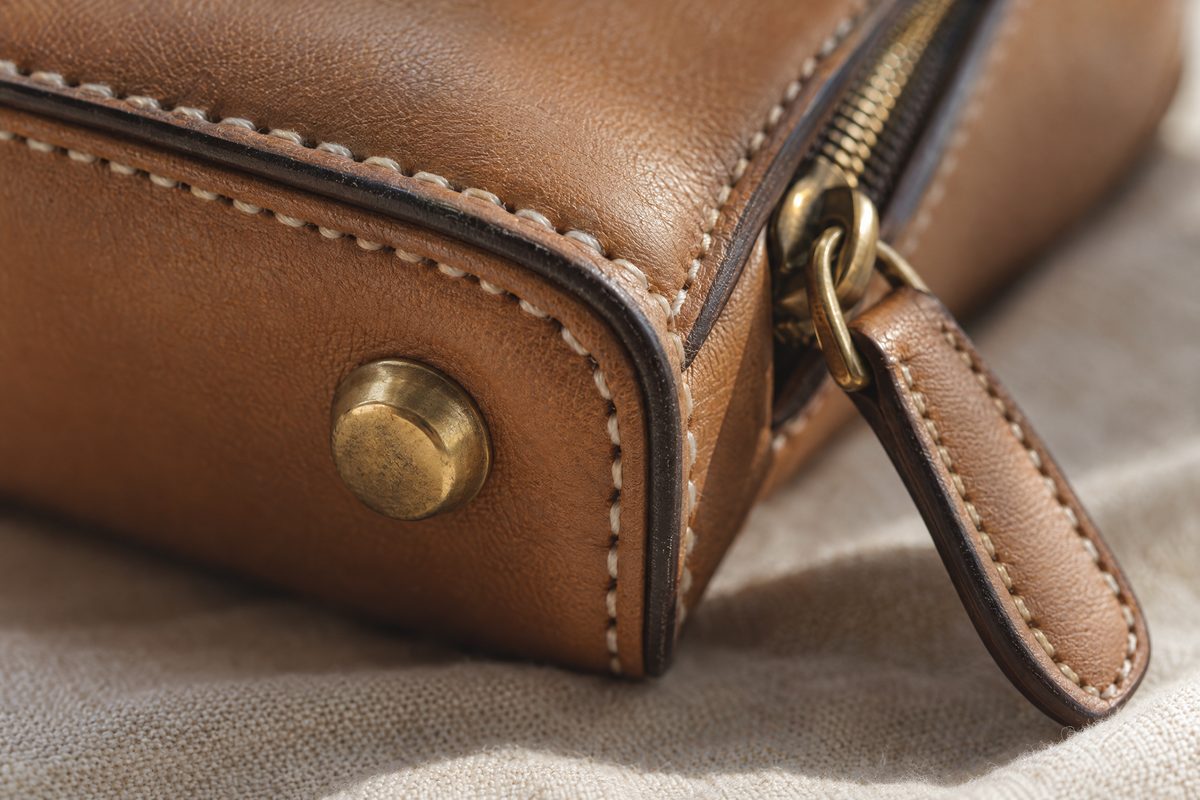
- Edge finishing: Burnished or sealed edges prevent delamination and fraying.
- Reinforcement: Card slots and billfolds with extra lining last longer against repeated use.
Practical checklist for assessing construction:
- Are the seams double-stitched or reinforced at stress points?
- Do the edges look sealed rather than raw?
- Is the wallet lined where cards and coins experience the most friction?
Bifold vs Cardholder: Which Holds Up Better?
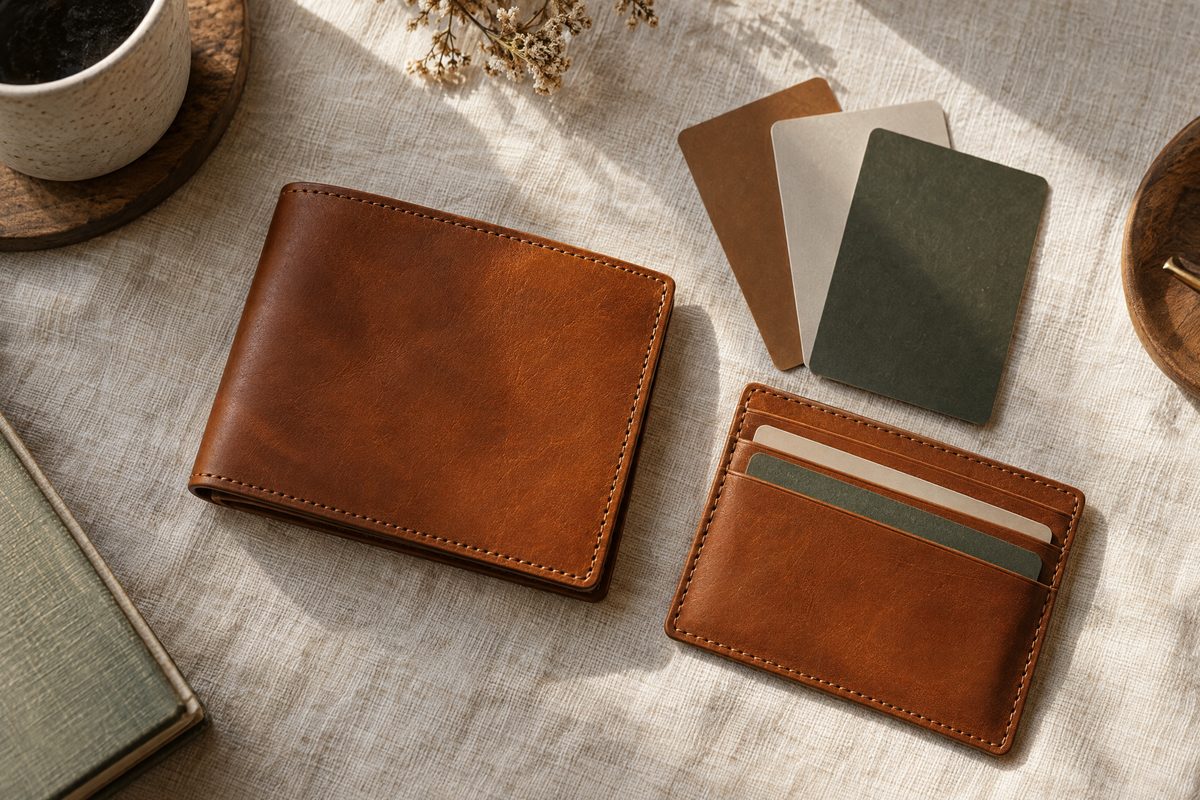
The debate of bifold vs cardholder is a common offshoot of the hard wallet vs soft wallet question. Bifolds offer more space and typically more layers of leather, which can make them thicker but also more robust over time. Cardholders are minimalist and often use fewer materials—if they’re made of thick, stiff leather they can be surprisingly durable, but repeated overstuffing can stretch them out.
Use-case guide:
- Choose a bifold if you carry receipts, cash, and multiple cards and want structure that resists warping.
- Choose a cardholder if you carry just a few cards and prefer a slim profile; pick firm leather for longer life.
Real-World Wear: How Each Type Ages
A hard wallet usually holds its shape and looks neat longer, but deep scuffs may be more visible on smooth, hard finishes. A soft wallet will show creases and a patina—many people like that lived-in look. Consider how you feel about visible aging when choosing between hard wallet vs soft wallet.
Quick table: typical lifetime traits
| Wallet Type | Typical Feel When New | How It Ages | Best For |
|---|---|---|---|
| Hard leather wallet | Stiff, structured | Holds shape, visible scuffs | Protection, neatness in pocket |
| Soft leather wallet | Supple, relaxed | Softens, develops patina | Comfort, lightweight carry |
| Canvas with leather trim | Flexible, durable | Fades, shows wear at edges | Casual, durable daily use |
Practical Tips to Make Your Wallet Last Longer
No matter which side you pick in the hard wallet vs soft wallet discussion, these simple care steps improve wallet durability:
- Don’t overstuff. Excess pressure stretches leather and weakens seams.
- Rotate wallets. Using more than one wallet reduces daily wear on a single piece.
- Keep dry. Moisture damages leather—wipe spills promptly and air-dry naturally.
- Condition occasionally. A quality leather conditioner applied sparingly keeps genuine leather from drying and cracking.
- Clean gently. Use a soft brush for suede and a damp cloth for most leathers; test in a hidden spot first.
Style Choices: Leather Wallet Styles and Practicality
Leather wallet styles range from classic bifolds and long wallets to cardholders and zip pouches. When you think about leather wallet styles alongside the hard wallet vs soft wallet question, ask what you carry and how you carry it.
- If you carry cash and coins, a slightly larger bifold or zip wallet with firmer leather will keep things orderly.
- If you carry only a few cards, a slim cardholder in stiffer leather or a soft leather card sleeve will be quicker to access and less bulky.
- If you wear your wallet in a back pocket or a tightly packed bag, a hard wallet may protect cards from bending; a soft wallet may be more comfortable to sit on.
Everyday Scenarios: Match Wallet Type to Use
Here are a few real-life scenarios to help you decide between hard wallet vs soft wallet:
- You commute by bike and keep your wallet in a snug messenger bag: choose a soft canvas wallet with leather reinforcement to balance comfort and protection.
- You travel often and rely on several cards and IDs: choose a hard-structured wallet or a reinforced cardholder that resists bending in a packed carry.
- You want a slim wallet for jeans pockets: choose a stiff cardholder or a thin leather sleeve that resists stretching.
Small Repairs and When to Replace
Wallets can often be repaired—loose stitching can be restitched, and worn edges can sometimes be reburnished. Replace a wallet when seams give way, card slots split, or the structure no longer protects your contents. That way you avoid losing cards or cash to a failing wallet.
Buying Tips at a Small-Town Mercantile
At a neighborhood shop, feel the weight and flexibility. Ask about where the leather was tanned and how pieces are finished. Look for consistent stitches and clean edges. If you want honest, practical advice about leather wallet styles and wallet durability, a local store can show you the trade-offs in person.
- Try both a hard wallet and a soft wallet with your usual daily items to see which keeps things organized and comfortable.
- Bring a couple of cards and some cash to test fit and closing.
Where to Find Yours
If you’re ready to choose, visit Tin Bucket Mercantile at 222 Main Street, Dallas, GA 30132, or browse our online wallets collection. We carry practical leather and canvas wallets in a range of styles, from bifolds to cardholders, all selected for honest value and real-world durability. If you prefer to chat before you buy, please contact us or stop by our store location. You can also explore our full selection of bags at shop all bags.
If you want a hand picking between a hard wallet vs soft wallet, we’re glad to help—call +1 404-409-5154 or email [email protected] and we’ll point you to the right style for your daily carry.