Choosing a wallet is one of those small decisions that pays off every day. This leather wallet buying guide walks you through materials, construction, size, and care so you can pick a wallet that lasts—not flashy promises, just practical advice for real use.
Materials & Construction: a leather wallet buying guide
The material and how a wallet is put together tell you most of what you need to know about how long it will last. When someone says "durable wallet," they're usually talking about a few reliable materials and a few sturdy construction details.
Common materials and what they mean
- Genuine cowhide (full-grain or top-grain): Natural, ages well, and is the most durable leather option for an everyday wallet. It develops a patina and stands up to daily handling.
- Split leather / bonded leather: Less expensive, less durable than full-grain; can work if you want the leather look but lower cost. Expect more wear over time.
- Suede: Soft and attractive, but more vulnerable to stains and abrasion; better for occasional-use wallets.
- PU leather: A synthetic leather alternative that's water-resistant and budget-friendly but will usually show wear sooner than genuine leather.
- Canvas (with leather trim): Rugged and lightweight, canvas wallets often pair well with leather for edges and reinforcements.
| Material | Durability | Notes |
|---|---|---|
| Full- or top-grain cowhide | High | Best long-term choice; ages nicely |
| Split leather / bonded | Medium | Budget-friendly, less durable |
| Suede | Medium-low | Needs careful care; stylish |
| PU leather | Low-medium | Affordable, less long-term value |
| Canvas | Medium | Great for casual or outdoor use |
Construction details to watch for
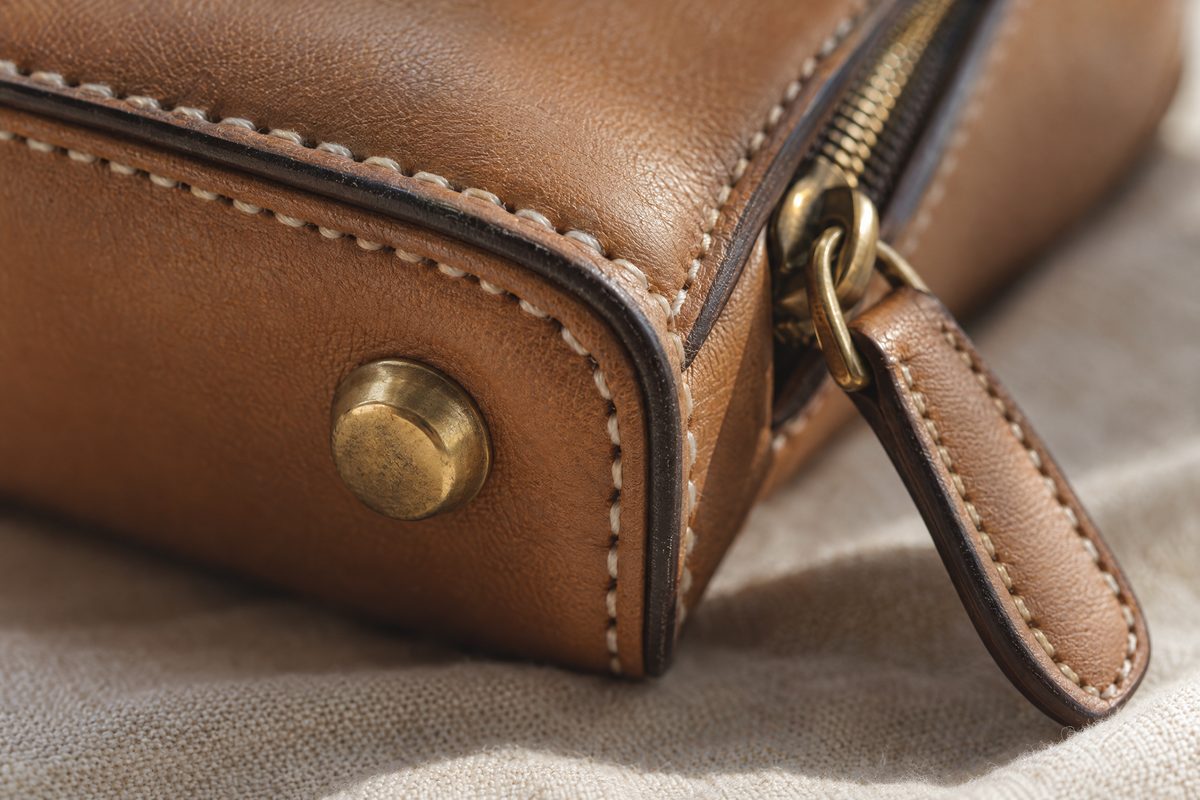
- Stitching: Look for tight, even stitching with no loose threads. Double stitching at stress points (corners, bill compartment) is a good sign.
- Edge finishing: Burnished or sealed edges resist fraying. Raw edges will soften but can wear faster.
- Lining: A sturdy fabric or thin leather lining helps cards slide in and out and protects seams.
- Rivets and reinforcements: Places that take the most pull—like coin pockets or fold creases—should have extra reinforcement.
Design & Size: match a durable wallet to everyday needs
A truly durable wallet is one you actually use, so choose a design that fits how you carry cards, cash, and ID. This section covers the practical choices that separate a lasting everyday wallet from one that ends up in a drawer.
Wallet styles and who they fit
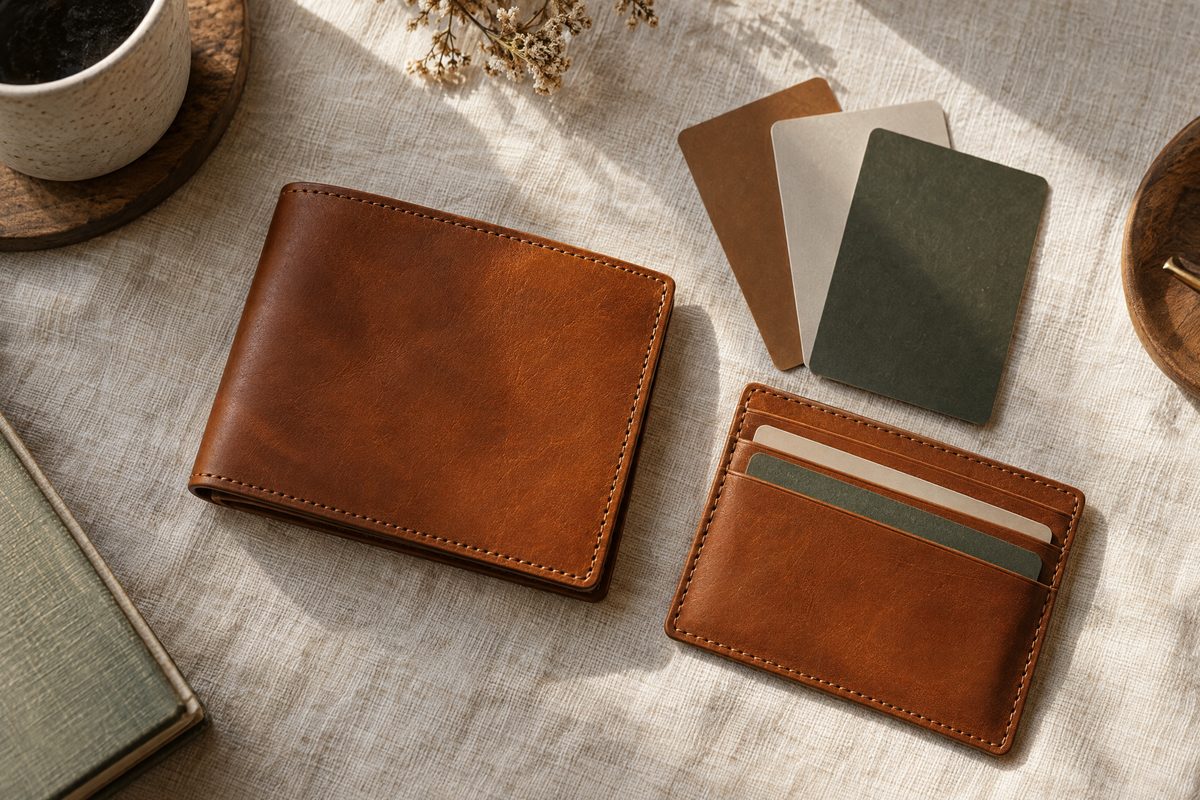
- Bifold: Classic and roomy. Good if you carry multiple cards and some cash.
- Trifold: Compact but thicker; useful when you need many slots but prefer a smaller footprint closed up.
- Slim cardholder: Minimalist, great for front-pocket carry and fewer items.
- Zip-around: Secure for travel or loose coins.
Practical features to prioritize
- Card slot count and layout: Too many slots can make a wallet bulky; choose a layout that keeps the items you use most accessible.
- Coin pocket: Handy for some, unnecessary for others. A zip or snap coin pocket can add weight and stress points.
- Bill compartment: Full-length compartments keep bills flat. Multiple compartments help separate receipts from cash.
- ID window: Makes quick ID checks easy but can weaken a panel if poorly made.
Ask yourself these simple questions before you buy:
- Do I carry cash regularly, or mostly cards?
- Do I keep coins or receipts in my wallet?
- Will I carry it in a front pocket, back pocket, or bag?
- Do I prefer a slim profile or maximum capacity?
A short everyday checklist for durability:
- Choose full/top-grain cowhide for long life.
- Inspect stitching and edge finish.
- Prefer layouts without unnecessary bulk.
- Consider where you carry the wallet (pocket vs. bag).
Care, Repairs, and When to Replace: leather wallet buying guide
Even the most durable wallet needs simple care to last years. This part of the leather wallet buying guide focuses on everyday maintenance, small repairs, and signs that a wallet has earned retirement.
Daily care and simple maintenance
- Keep it dry: Wipe light moisture with a soft cloth and let it air dry. Avoid heat sources.
- Clean gently: Use a soft brush for suede and a damp cloth or specific leather cleaner for cowhide. Test cleaners on a hidden area first.
- Condition every 6–12 months: A small amount of leather conditioner or cream keeps top-grain leather supple and helps prevent cracking.
- Avoid overstuffing: Bulking up a wallet stresses seams and causes creases that can split over time.
Small repairs that extend life
- Restitching: A local cobbler can restitch loose seams and replace worn thread for a modest cost.
- Edge touch-ups: Re-burnishing or edge paint refreshes worn edges.
- Replacing snaps or zippers: Hardware lasts longer than stitching in many cases and is usually repairable.
Signs it’s time to replace your wallet
- Split seams or torn linings that can't be economically repaired.
- A bill compartment so stretched bills slip out.
- Loss of structure: when cards slide and the wallet won’t close properly.
If you like the look of a well-worn wallet, refurbishing can bring life back; if the damage is structural, it’s safer to replace it.
Choosing the right material for value: best wallet materials and long-term thinking
When shoppers ask about the "best wallet materials," they're really weighing how long a wallet will remain useful versus the price paid up front. There’s no one-size-fits-all answer—only choices that match your needs.
- Best for longevity: full-grain cowhide. It will show wear but remain structurally sound for years.
- Best for budget: split leather or quality PU leather can look good short-term but may not age as well.
- Best for casual use: canvas with leather reinforcements offers a balance of toughness and light weight.
Think of your wallet as a tool you use daily. Investing a bit more in material and construction saves replacement costs and keeps a consistent daily experience.
Everyday wallet habits that preserve value
- Rotate contents: remove old receipts and unused cards monthly.
- Keep coins separate: if you use coins, consider a small coin pouch to avoid constant pocketing stress.
- Choose the right pocket: front-pocket carry reduces bending and sitting stress compared to back-pocket carry.
Quick comparison (one-minute glance)
- Durable wallet (what to expect): strong stitching, full-grain leather, sealed edges.
- Everyday wallet (what you need): right size, comfortable carry location, simple layout.
- Wallet lifespan estimate: well-made cowhide wallets can last many years with care; cheaper materials may need replacement in 1–3 years depending on use.
Where to Find Yours
If you’re ready to try one in person or want a close look at durable, practical wallets, visit Tin Bucket Mercantile at 222 Main Street in Dallas, Georgia. We stock a range of women's and unisex wallets made in genuine cowhide, split leather, suede, PU leather, and canvas—chosen for everyday use and honest value. You can also browse our selection online at wallets or explore the full collection of bags on our site at shop all bags. If you’d like advice before you come by, check our store hours on the store location page or contact us.
If you want more reading on choosing bags that match a durable wallet—like travel bags for weekend trips or backpacks for daily carry—see related posts on the journal or browse our travel bags and backpacks to plan a coordinated set.
For questions, custom recommendations, or to hear about new arrivals as they come in, email us at [email protected] or call +1 404-409-5154. We’re a small-town mercantile that likes honest gear—no fuss, no flash, just things that work.
Thank you for reading this leather wallet buying guide. Choose a wallet that fits your daily habits, look for quality materials and construction, and give it a little care. The right wallet will serve you well for years.