Leather goods are made to be used, but proper leather bag storage makes the difference between a favorite shoulder bag that ages gracefully and one that shows wear and tear too soon. This guide walks through honest, practical steps to protect leather, whether you’re tucking a bag away between seasons or storing a daily carry for the night.
Why leather bag storage matters
Good leather bag storage helps retain shape, prevents mildew, and avoids drying or cracking. Leather is a natural material—cowhide and split leather, suede, or PU leather—so it reacts to light, humidity, and pressure. Store a shoulder bag on a hook and it can stretch the strap. Pile other items on top and the leather may crease. A little planning and routine care keep your bags reliable and good-looking for years.
How leather responds to poor storage
- Dry air pulls natural oils from leather, causing stiffness or cracks.
- High humidity invites mildew and weakens glue points and stitching.
- Sunlight fades color and weakens finishes.
- Heavy pressure creates permanent creases and deforms structure.
How to Create Ideal leather bag storage at home
Whether you have one trusty shoulder bag or a small collection, these steps make sensible leather bag storage doable.
Basic supplies to keep on hand
- Soft cotton dust bags or pillowcases
- Acid-free tissue paper for stuffing
- A wooden shoe tree or rolled towel to support shape
- A breathable shelf or open closet space (not airtight)
- A soft brush for suede and a lint-free cloth for smooth leather
Step-by-step: storing a shoulder bag properly
- Empty the bag and shake out crumbs or debris. Open every pocket and wipe inside with a dry cloth.
- Clean gently according to the leather type—see the leather care routine section below.
- Stuff the bag with acid-free tissue paper or a soft cloth to support its shape, especially the base and sides.
- Wrap the bag in a cotton dust bag or pillowcase; avoid plastic bags.
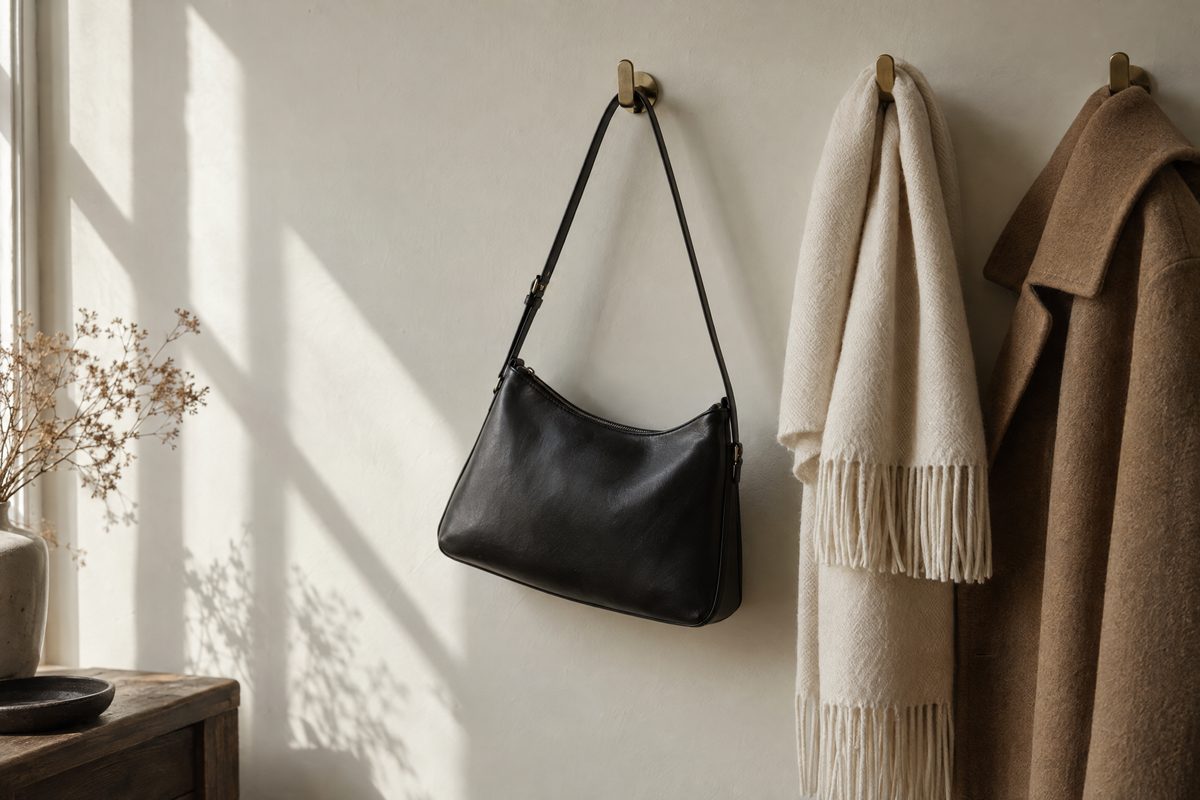
- Place the wrapped bag on a shelf where it won’t be crushed. If hanging, use a wide padded hanger to support the strap evenly.
- Check stored bags every few months for moisture, mold, or pest activity.
Short-term vs long-term leather bag storage (quick comparison)
| Storage length | Best place | Support | Airflow needed |
|---|---|---|---|
| Short-term (days–weeks) | Hook or shelf near daily items | Light stuffing | Moderate |
| Long-term (months–years) | Interior shelf or closet | Full stuffing, base support | High (breathable) |
This table helps you choose where and how to store depending on how long the bag will be unused.
A practical leather care routine to protect leather bag finish
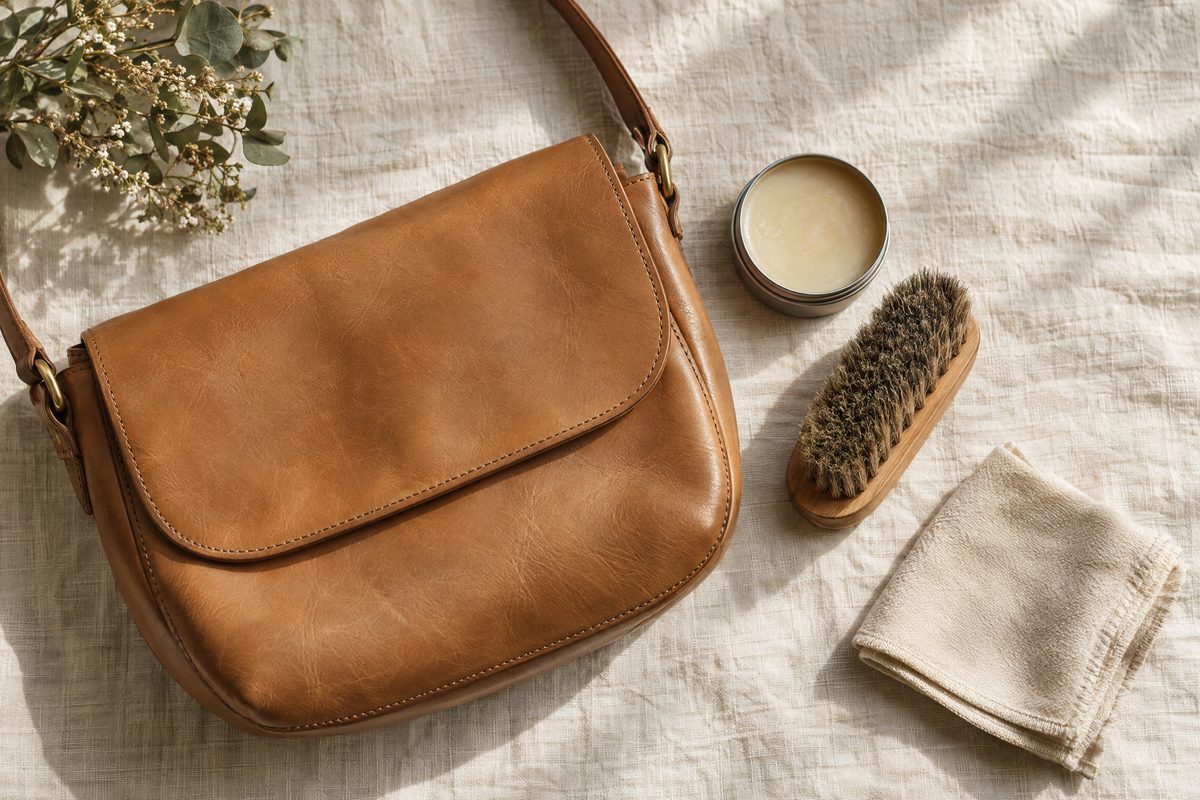
A simple leather care routine prevents many storage problems. Keep it modest and regular—no need for heavy creams or exotic products.
Weekly and monthly tasks
- Weekly: Wipe down smooth leather with a dry lint-free cloth to remove dust. Brush suede gently with a suede brush.
- Monthly: Condition smooth leather with a small amount of a mild conditioner to replace natural oils—test on a hidden spot first. Avoid conditioners on suede and PU leather.
- Every 3–6 months: Air stored bags briefly in a shaded, dry room to refresh them and check for any issues.
Cleaning tips by material
- Smooth cowhide or split leather: Use a damp cloth for surface dirt, then a small amount of leather conditioner. Don’t saturate the leather.
- Suede: Use a suede brush and rubber eraser for spots. Keep suede away from oils and water.
- PU leather: Wipe clean with a damp cloth and mild soap. Avoid oil-based conditioners.
Protect leather bag hardware and straps
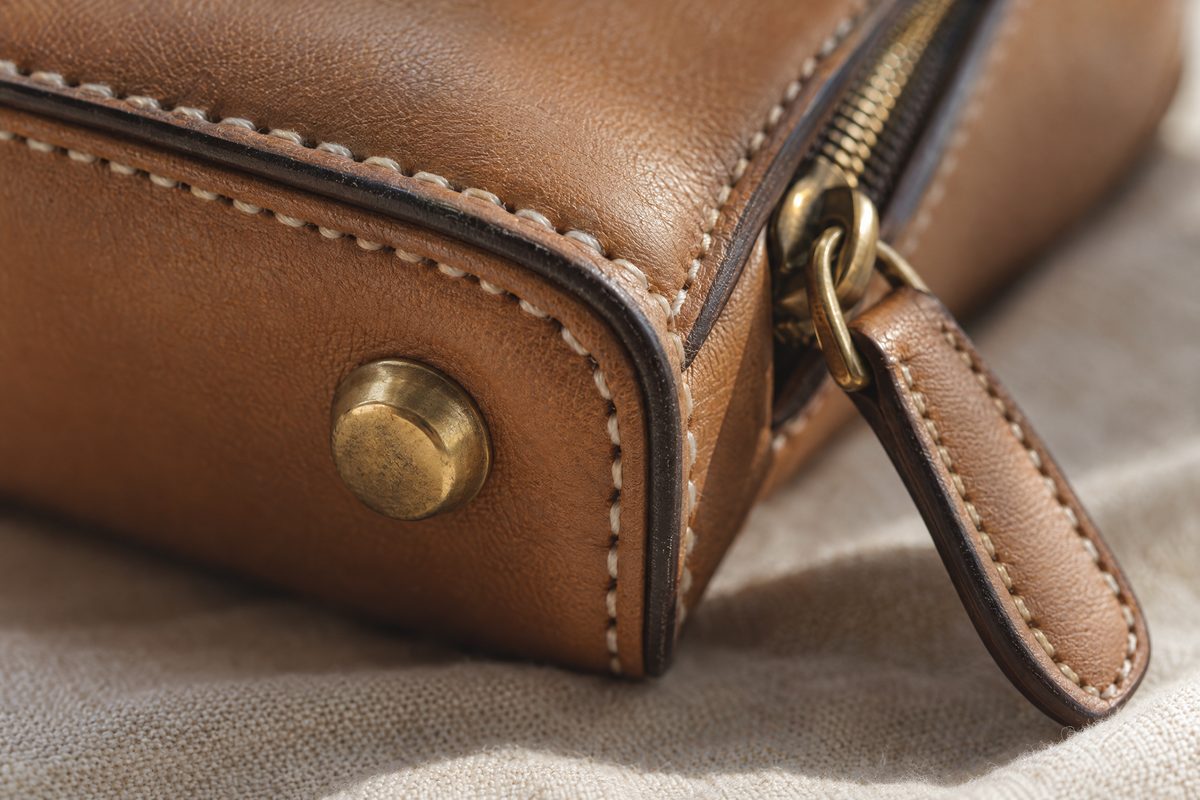
Metal hardware can tarnish or scratch when stored loosely. To protect hardware:
- Wrap metal pieces in acid-free tissue before tucking them into or wrapping the bag.
- Fasten snaps or zippers to keep shape and reduce stress on closures.
- If a shoulder strap is long, gently coil and stuff it into the bag rather than dangling it outside.
Bag storage ideas for small spaces
You don’t need a dedicated closet to practice good leather bag storage. Try these sensible options:
- Use a shelf above a dresser with breathable storage—cover with cotton dust bags.
- Place bags on wide, low hooks to avoid stress on straps.
- Store smaller items inside larger bags to save space while protecting them from crushing.
- Keep a small box of silica gel packets nearby (not inside the bag) to reduce humidity in the storage area.
Practical list: daily to-dos before storing a shoulder bag
- Empty the bag and clean interior pockets.
- Remove any wet or fresh-stained items.
- Stuff with acid-free tissue to keep the shape.
- Close zips and fasten snaps.
- Slip into a cotton dust bag and place on a shelf.
Dealing with common storage problems
Mildew and musty odors
If you discover mildew or a musty smell, act quickly. Take the bag to a well-ventilated area and wipe the surface with a dry cloth. For breathable leathers, a gentle mixture of equal parts water and white vinegar on a soft cloth can help neutralize odors—test in an inconspicuous spot first. Allow the bag to air dry away from direct sun, then apply a light conditioner if appropriate.
Color transfer or stains
Some dyes can transfer if a bag is stored against another item or in damp conditions. If you see color transfer, gently clean the area with a recommended leather cleaner or consult a professional if the stain is deep. Prevent transfer by wrapping lighter bags separately and avoiding contact with painted or dyed surfaces.
Creasing and loss of shape
If leather creases while stored, gently reshape with your hands and re-stuff the bag. For deeper creases, a professional leather repair service can often restore the look without aggressive treatments.
Travel and seasonal storage tips for leather bags
When traveling with a leather bag, protect it during transit: stuff it lightly, cover in a dust bag, and keep it in the cabin when possible to avoid extreme temperatures in cargo. For seasonal rotation, move bags into breathable storage as temperatures change and check them monthly. Avoid storing leather bags in attics, garages, or basements where humidity and temperature fluctuate.
Choosing the right spot in your home
Good storage is about stable temperature, low humidity, and indirect light. The best places are interior closets on middle shelves, or a bedroom shelf that doesn’t get direct sun. Keep bags away from radiators, vents, and windows. A steady, cool, dry environment is ideal.
When to call a professional
For deep stains, mold that has penetrated the lining, or structural damage, a professional leather care specialist is the safest choice. A professional can clean, re-dye, and repair without risking further damage from at-home chemicals.
Everyday use: balance wear and care
Don’t baby your shoulder bag so much that it never sees daylight. Regular use is part of good leather care—wearing a bag helps distribute oils and keeps leather supple. Rotate bags if you have a small collection so each one rests between wears and your storage routine keeps them in good shape.
Where to Find Yours
If you’re looking for a dependable shoulder bag built to be used and cared for, visit Tin Bucket Mercantile in Dallas, Georgia. Our shop at 222 Main Street, Dallas, GA 30132 carries a selection of shoulder bags and other everyday leather and canvas pieces. Browse our selection online at shop all bags or stop by our store—see the exact location on our store location page. Questions about care or a specific bag? Get in touch with us at contact us or email [email protected].
For more simple gear care and straight-talk advice, check back on our writing in the journal.
With a little attention and the right leather bag storage routine, your shoulder bag will stay useful and characterful for years. Keep it dry, supported, and out of direct sun—then enjoy the practical workhorse you bought it to be.