Whether you’re hunting for a trusty shoulder bag or deciding between a budget-friendly option and something that will soften and age, understanding leather vs PU bags helps you buy smarter. This guide walks through materials, maintenance, price, and real-life fit — without the hype.
Leather vs PU Bags: How They Compare
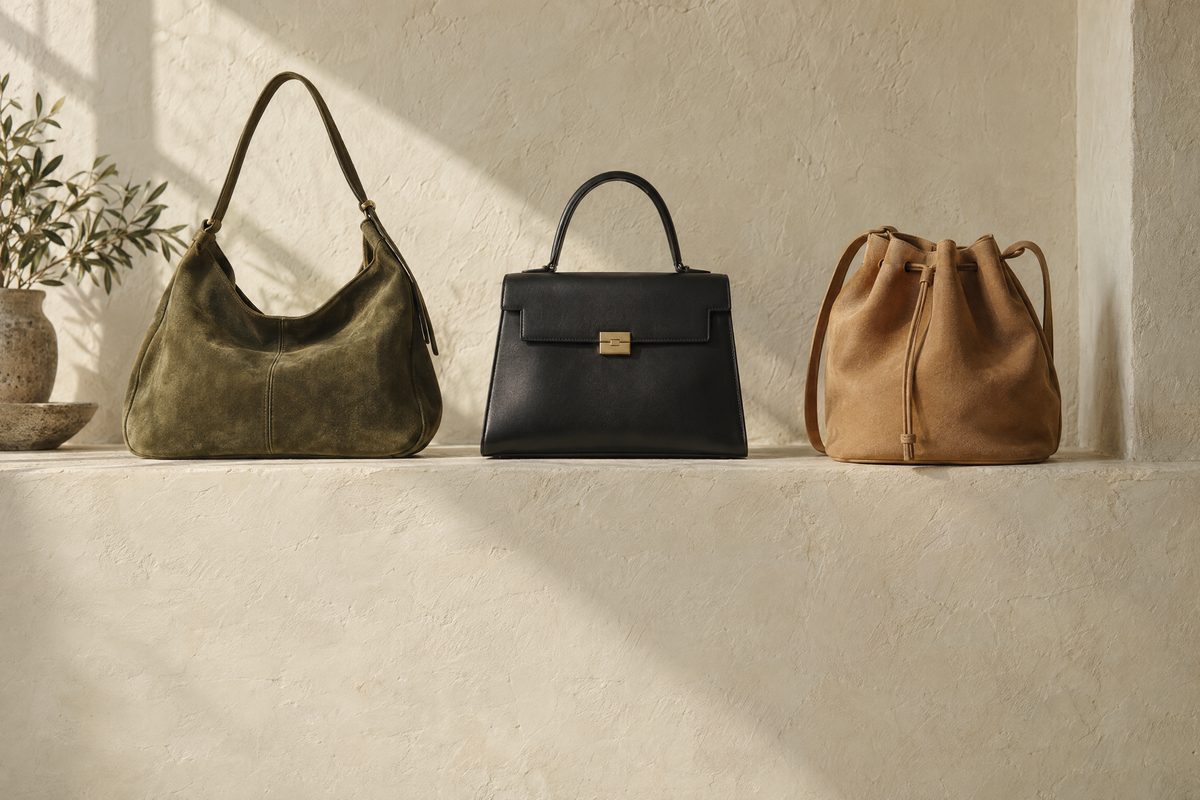
At the core, the debate of leather vs PU bags comes down to material, workmanship, and how you intend to use the bag. Genuine cowhide leather and split leather are animal-derived, offering unique grain and long-term wear. PU (polyurethane) leather, often called faux leather, is a synthetic alternative designed to look and feel like leather without using animal hide.
Materials and feel
- Genuine leather: natural grain, may have small marks, develops a patina over time, and often feels supple and warm to the touch.
- PU leather (faux leather bags): smoother, more uniform finish, often lighter, and water-resistant at first but can crack with time.
Durability and lifespan
Genuine leather typically outlasts PU when cared for properly. Split leather and lower-grade hides will wear differently than full-grain leather, but even split leather usually repairs and lasts longer than a similarly priced PU bag. PU is practical for budget-friendly bags that see light-to-moderate daily use, but it tends to show cracking after several years, especially where the bag bends or at stress points.
Cost and value
Price ranges vary widely. A well-made genuine leather shoulder bag can cost more upfront but often retains a better look over many years. PU options let you get a stylish bag for less initially and can be a smart choice if you expect heavy weather exposure or replace bags frequently.
Sustainability and care
PU is a synthetic product based on plastics, so it has different environmental considerations than animal-derived leather. Some shoppers prefer PU for ethical reasons, while others prefer leather for longevity (buy once, use for years). How you care for either material will significantly affect its lifespan — see the care section below.
Leather vs PU Bags — Which Is Right for Your Shoulder Bag?
When you're choosing a shoulder bag, think about daily habits: how much you carry, whether you'll be commuting in rain, and if you want the bag to look better with age. Comparing leather vs PU bags specifically for shoulder bags helps narrow choices.
Considerations for shoulder bags
- Load: Leather typically supports heavier loads without stretching as much as PU.
- Weather: PU handles rain better initially; untreated leather benefits from a water-repellent treatment.
- Style longevity: Leather often gains character over time; PU keeps a consistent look but may crack.
- Maintenance: Leather needs conditioning; PU needs gentle cleaning and avoiding heat.
Practical checklist before you buy a shoulder bag
- Decide expected lifespan: replaceable every few seasons or a bag for years?
- Weight needs: will you carry a laptop or heavier items?
- Exposure: will it face rain, sun, or rough handling?
- Budget: upfront cost vs long-term value.
- Aesthetic: natural variations vs consistent finish.
If you want a shoulder bag that will age gracefully and handle a heavier load, genuine leather is a solid pick. If you want an affordable, water-tolerant everyday bag with an even look, PU is practical. Browse our shoulder bags to compare styles and materials available now.
Care, Cleaning, and Repair: Practical Tips
Knowing how to look after a bag makes a big difference no matter the material. Below are practical, tried-and-true tips for both leather and PU.
Caring for genuine leather
- Regularly wipe with a dry or barely damp soft cloth.
- Condition with a product designed for cowhide or split leather every 6–12 months depending on use.
- Avoid prolonged sun and heat exposure to prevent drying and cracking.
- For scratches, gently massage the area with a leather conditioner; professional repair extends life.
Caring for PU (faux leather) bags
- Clean with a soft cloth and mild soap solution; avoid harsh solvents.
- Keep out of extreme heat which can make the surface brittle.
- Avoid abrasive surfaces that can wear away the top finish.
- If the top coating flakes, repair options are limited; consider cosmetic patches or use a liner to prevent future abrasion.
Quick stain-removal steps
- Fresh spills: blot, don’t rub.
- Oil or grease: dust with cornstarch and let sit before brushing gently.
- Ink and tough stains: consult a professional for leather; for PU, try a small spot test with rubbing alcohol on a hidden seam.
Pros and Cons: Quick Reference
- Genuine Leather
- Pros: durable, develops character, repairable, supports heavier loads
- Cons: higher upfront cost, needs conditioning, can stain without treatment
- PU (Faux Leather)
- Pros: budget-friendly, consistent look, water-resistant initially, lower maintenance short-term
- Cons: can crack over time, less repairable, may not breathe well
| Feature | Genuine Leather | PU (Faux Leather) |
|---|---|---|
| Initial cost | Higher | Lower |
| Durability | High with care | Moderate, may crack |
| Maintenance | Conditioning needed | Simple cleaning |
| Water resistance | Variable — treat recommended | Usually water-resistant |
| Aesthetic over time | Improves (patina) | Stays uniform, may peel |
Real-life Use Cases: Match Material to Purpose
- Commuter shoulder bag: If you carry a laptop or heavy items every day, a leather shoulder bag gives structural durability. If rain is a frequent factor, a treated leather or a well-made PU bag works.
- Travel overnight or duffel: For frequent travel, consider a canvas or leather travel bag for durability; for a lightweight carry, some PU options are useful. See our travel bags for examples.
- Everyday casual tote or shopper: PU or canvas totes can be low-fuss and light; leather totes dress up and last longer.
- Special-purpose items (wallets, cosmetic bags): PU is common in budget wallets and cosmetics, while leather wallets typically last much longer.
Cost Considerations: Buy What Fits Your Life
Rather than fixating on price alone, think about cost per year of use. A $100 leather shoulder bag that lasts a decade represents better value per year than multiple $30 faux leather bags. But if you like switching styles or expect heavy exposure that could ruin leather, PU may be the smarter short-term buy.
Budget-friendly buying checklist
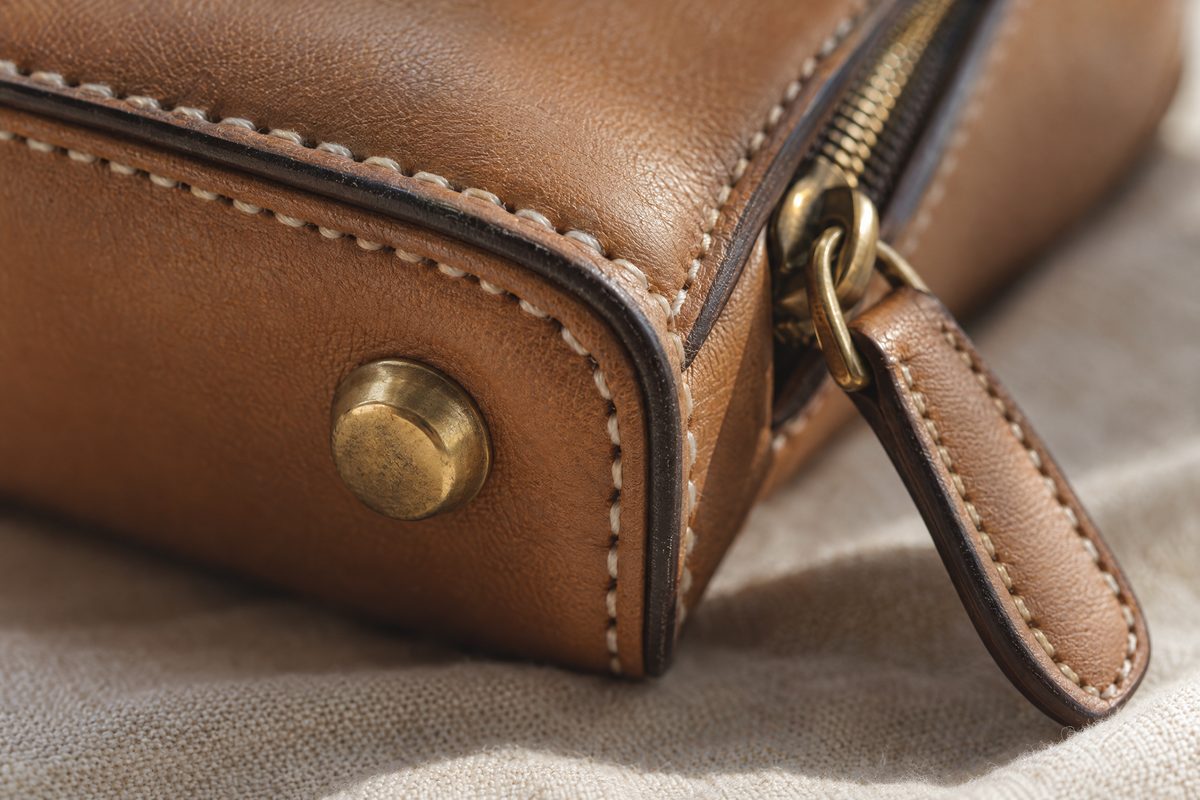
- Inspect stitching and hardware: these matter more than surface material.
- Check lining quality and reinforcement at stress points (strap attachments, corners).
- Look for return policies and repair services — vendors who stand behind their work offer better long-term value.
Frequently Asked Questions
Will PU leather ever look as good as real leather?
PU can look very similar at first. It won’t develop the same natural patina or repair in the same way, but for many shoppers the consistent appearance is preferred.
Is split leather a good compromise?
Split leather is an economical way to get a leather finish. It’s less durable than full-grain but often more robust than PU. Pay attention to finish and stitching.
How to tell if a bag is genuine leather?
Look for natural grain variation, check edges (leather edges differ from plastic-coated PU), and the smell — leather has a distinctive scent. Labels should honestly state materials.
Making the Choice: Practical Steps
- Define how you'll use the bag (daily, travel, occasional).
- Set a realistic budget for upfront cost and expected lifetime.
- Inspect construction: hardware, stitching, and lining quality matter more than the surface alone.
- Ask about repair or conditioning services — these extend leather life.
If you’re shopping for a versatile shoulder bag, try handling both materials. A shoulder bag that feels comfortable on your shoulder, has secure hardware, and a practical compartment layout will serve you well whether it’s leather or PU.
Where to Find Yours
Tin Bucket Mercantile is right here in Dallas, Georgia at 222 Main Street, and our shop carries a range of shoulder bags, travel bags, and everyday options. Stop by the store to feel materials in person or browse our selection online. Visit our store location to find hours and directions, learn more about who we are on our story, or shop now at our online selection via shop all bags. If you have questions, please contact us — we’re glad to help you pick the right bag for your life.
For hands-on shoppers who want straightforward, honest advice, we keep options simple: durable leather for long-term service, and well-made faux leather for practical, lower-cost picks. Whatever you choose, a thoughtful buy and proper care will keep your bag looking good for years.