If you're choosing between suede vs nubuck for a shoulder bag or everyday wallet, it helps to know what makes each leather unique. This short guide walks through appearance, durability, cleaning tips, and how to choose the right leather for the way you live—without the marketing fluff.
Suede vs Nubuck: What's the Difference?
At a glance, suede and nubuck can look similar: both have that soft, velvety nap that feels warm and tactile. But the difference comes from which side of the hide was worked and how.
How to tell them apart
- Suede is made from the underside of the animal hide. It feels softer and a little fuzzier.
- Nubuck is made from the outer side of the hide and is sanded or buffed to raise a short, dense nap. That gives nubuck a velvety finish with a slightly finer texture and a bit more structure.
When comparing suede vs nubuck, think of suede as plush and pliable, and nubuck as plush with a firmer hand. Both ages beautifully, but they show wear differently—suede tends to look lived-in more quickly, while nubuck often develops a richer patina.
How They're Made and Why Texture Matters
Leather texture affects how a bag holds up, how it feels on your shoulder, and how the color behaves over time. Understanding these differences helps when you’re shopping, especially for a shoulder bag where contact and movement are constant.
Materials and common uses
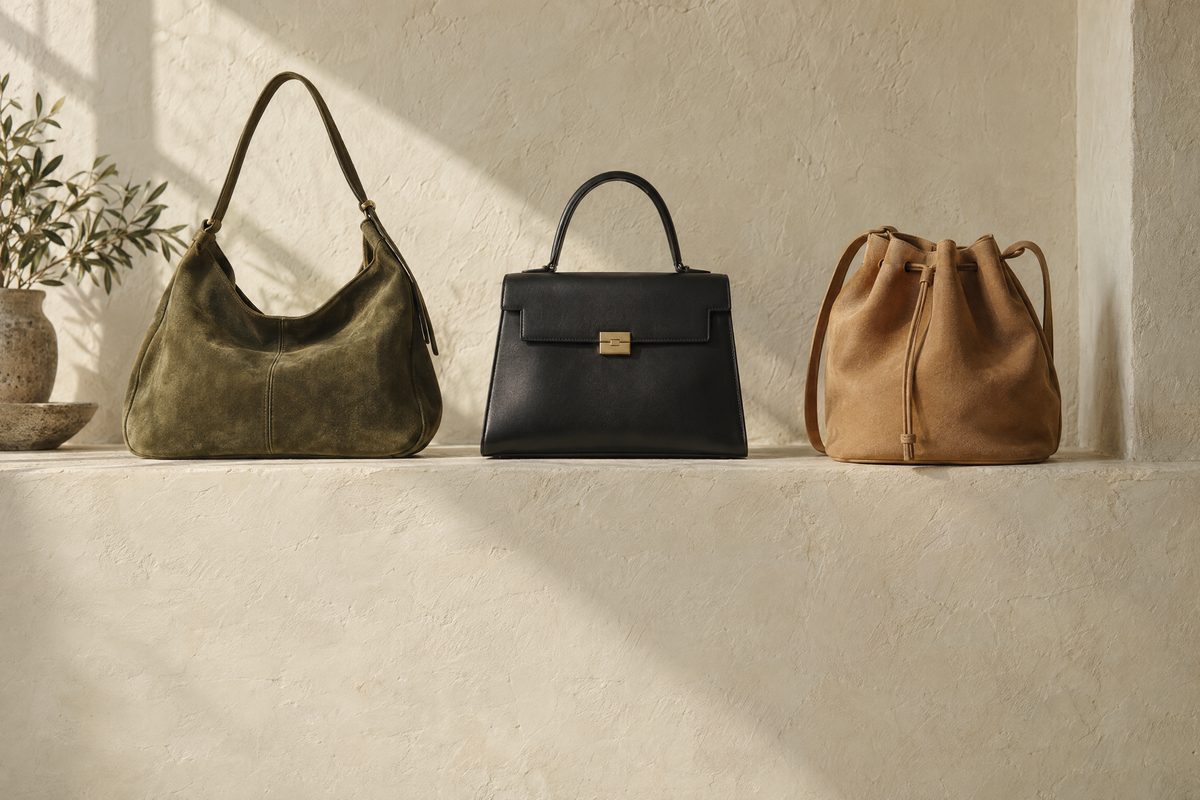
- Suede: Often used for soft, drapey designs like slouchy shoulder bags and foldover clutches. Its lightweight feel works well for styles that need to conform to the body.
- Nubuck: Frequently used for structured pieces—think everyday shoulder bags that keep their shape. Because nubuck comes from the grain side, it can be tougher and more resistant to abrasion than suede.
The leather texture guide: what to expect
- Appearance: Both have a matte finish, but nubuck can appear smoother and more uniform.
- Durability: Nubuck generally resists scuffs a bit better; suede may show marks more readily but can still last for years with care.
- Patina: Nubuck develops a subtle depth; suede softens and becomes supple.
Suede vs Nubuck: Care and Maintenance
Knowing how to look after your leather makes the difference between a bag that wears out and one that earns character. This is where a little steady care beats dramatic fixes.
Basic suede leather care tips
- Brush gently: Use a soft-bristled suede brush to lift the nap and remove surface dirt.
- Spot test cleaners: Always try a cleaner on an inconspicuous spot first.
- Avoid water: Suede can stain when wet. If it gets damp, let it air dry naturally away from heat.
Basic nubuck leather care tips
- Use a nubuck-specific brush or eraser to remove scuffs and restore texture.
- Apply a protective spray made for nubuck to repel light moisture and stains.
- For stubborn marks, consider professional cleaning.
Short practical checklist for everyday care:
- Keep your shoulder bag away from direct rain when possible.
- Store in a dust bag or breathable cotton pillowcase—avoid plastic.
- Brush once a month if used regularly.
- Treat fresh spots immediately with gentle blotting and follow product instructions.
These straightforward steps will extend the life of either leather without complicated routines.
Choosing a Shoulder Bag: Which Leather Works Best?
When deciding between suede vs nubuck for a shoulder bag, think about how you use the bag, your climate, and how much maintenance you're willing to do.
Questions to ask before you buy
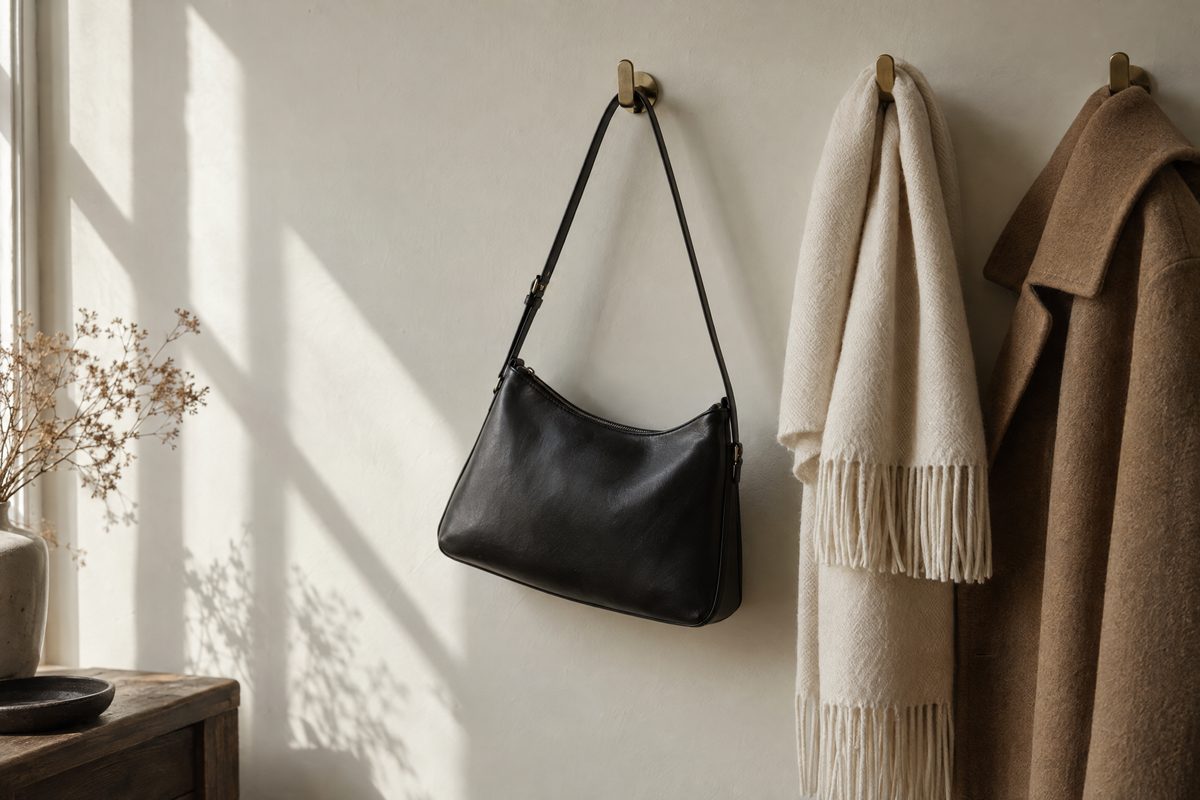
- Will this be an everyday bag you wear on commutes or errands? If yes, nubuck's slightly tougher surface might be a better match.
- Do you prefer a soft, relaxed silhouette? Suede offers a slouchier look that works beautifully with casual outfits.
- How often will the bag be exposed to weather or rough surfaces? Nubuck tends to hide light abrasion better than suede.
Match leather to lifestyle
- For a daily shoulder bag that needs structure and resilience: choose nubuck. Its grain-side origin makes it suited to carry heavier loads while keeping shape.
- For weekend, evening, or lighter-load shoulder bags with a fashion-forward, soft drape: suede is a great choice.
If you want to explore styles, our shoulder bag selection showcases both materials in real-life designs you can touch and try. See our shoulder bags collection for styles that balance material and function.
Repair, Refresh, and When to Call a Pro
A small scuff or stain doesn't mean the end of a good bag. Both suede and nubuck respond well to gentle at-home care, but there are limits.
- Light surface marks: Try a soft eraser or a nubuck brush to lift the nap.
- Deep stains or oil spots: These may require professional attention to avoid making the mark worse.
- Hardware repairs and strap reinforcement: Look for a cobbler or leather repair shop that offers work on leather bags.
If you’re unsure, ask before you act—mistaken cleaning can be harder to fix than the original spot.
Common Mistakes to Avoid
When weighing suede vs nubuck, owners often make avoidable errors that shorten a bag’s life. Common mistakes include over-wetting the leather to remove a mark, using household cleaners not formulated for delicate nap leathers, and storing the bag in plastic where trapped moisture can cause mildew. Another frequent issue is failing to test any product on a hidden area first—color and nap can react unexpectedly.
Prevent these problems with a simple rule: less aggressive action, more observation. Start with brushing and spot-testing, use purpose-made sprays and erasers, and when in doubt, pause and consult a professional cleaner.
Sizing and Fit Checklist for Shoulder Bags
Choosing the right bag size is as important as choosing suede vs nubuck. Use this checklist to match your needs to bag dimensions and construction:
- Purpose: Daily commuter (carry laptop/tablet) vs casual use (phone, wallet, keys).
- Dimensions: Check interior length, height, and depth. A 12"–14" width usually fits a small tablet; 15"+ is for laptops.
- Strap drop: Measure how the bag sits on your shoulder—standard drop is 9"–12"; longer drops suit crossbody wear.
- Weight when full: Consider how each leather affects weight—nubuck-backed linings and reinforcements add structure and weight; suede styles tend to be lighter.
- Closure and pockets: Zippers and internal compartments help organization and protect contents from rubbing the nap.
Try a bag with items you carry regularly. The right size prevents scrunching the leather (which can change the nap) and ensures comfort during daily wear.
Materials & Lining Guide
Beyond the outer leather, linings and hardware affect longevity. When deciding on suede vs nubuck, pay attention to these practical points:
- Lining fabrics: Cotton or canvas linings breathe and reduce internal moisture; synthetic linings can be easier to wipe but may trap humidity.
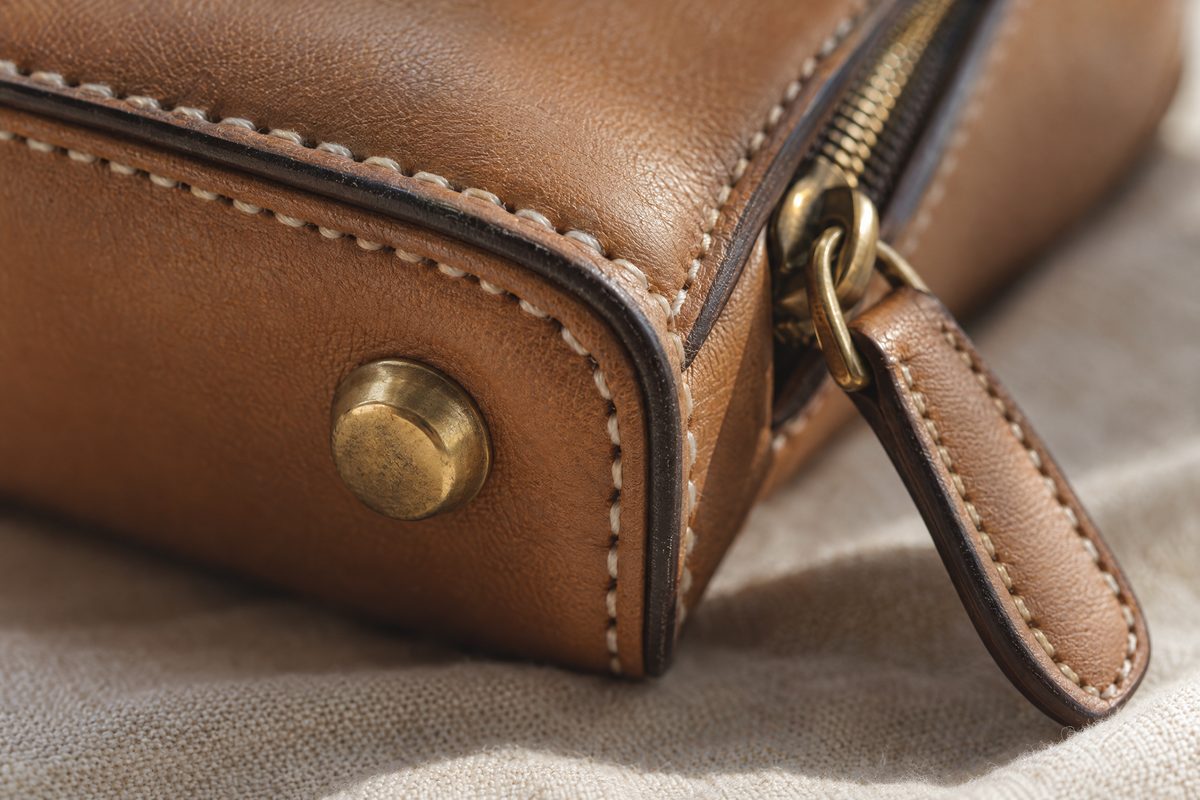
- Reinforcements: Look for taped or leather-reinforced seams at the base and strap joins—these reduce stress that might otherwise accelerate wear in soft suede.
- Hardware finish: Nickel or brass tones with smooth edges avoid snagging the nap; exposed studs can press into soft leathers and cause impressions.
- Interior coatings: PU or water-resistant treatments inside pockets help guard against spills and oil transfer from cosmetics.
Choosing complementary linings and reinforcements will keep a suede or nubuck bag performing well for years, especially when you combine good construction with routine care.
Quick Comparison Table
| Feature | Suede | Nubuck |
|---|---|---|
| Origin of leather | Underlayer of hide | Grain (outer) layer |
| Texture | Soft, fuzzy | Velvety, finer nap |
| Structure in bags | Slouchy, pliable | More structured, holds shape |
| Stain resistance | More prone to marking | Slightly more forgiving |
| Best use for shoulder bags | Casual, lightweight styles | Everyday, structured styles |
A Note on Cost and Materials
At Tin Bucket Mercantile we work with a range of leathers—genuine cowhide, split leather, suede, and nubuck—balanced with canvas and PU where appropriate. Price doesn't always equal durability: how a bag is constructed and how you care for it matter just as much as the leather type. If you prefer lower-maintenance options, canvas or PU-lined interiors can be good compromises without losing the look you want.
Where to Find Yours
If you want to feel the difference between suede vs nubuck in person, come visit Tin Bucket Mercantile at 222 Main Street, Dallas, GA 30132. We keep a rotating selection of shoulder bags and other styles you can try on and inspect up close. You can also browse our full selection online at shop all bags or reach out through our contact us page with questions.
Prefer to learn more about who we are? Read our story to see why we focus on practical, honest leather goods. If you need directions to the store, check our store location.
For questions or special requests, email us at [email protected] or call +1 404-409-5154. We’re happy to help you pick the right material and style for the shoulder bag you’ll reach for every day.
Frequently Asked Questions
Can suede or nubuck be waterproofed?
Yes, both suede and nubuck can be treated with purpose-made protective sprays that add water and stain resistance. These products don't make the leather fully waterproof but they help repel light moisture and reduce staining. Apply sprays in a well-ventilated area, hold the can at the recommended distance, and work in even strokes. Reapply periodically (often every few months with regular use). Always test the spray on an inconspicuous area first to check color change and texture.
How do I restore flattened nap or shiny spots?
Lightly brushing with a suede or nubuck brush often restores flattened nap by lifting the fibers. For small shiny spots caused by rubbing, try a gentle eraser or a dedicated nubuck/suede cleaning block to break up compacted fibers, then brush. Avoid heat or aggressive rubbing, which can worsen the appearance. If the spot is large or oily, consult a professional cleaner to prevent permanent damage.
Is one better for hot or humid climates?
In hot, humid climates, both materials require attentive care because moisture can affect nap and encourage mildew. Nubuck's denser nap and grain-side origin can be slightly more resilient to light abrasion and humidity, but neither is ideal for frequent exposure to damp conditions. Choose bags with breathable linings, store them in a well-ventilated area, and use protective sprays suitable for suede and nubuck. For heavy humidity, consider switching to canvas or treated leather for everyday use.