The Anatomy of a Well-Made Bag
A well-made bag tells you more than style—it reveals honest materials, careful bag construction, and details that stand up to daily use. Whether you're looking for a roomy tote or a compact wallet, knowing how to judge stitching, hardware, and materials makes it easier to pick something you can rely on for years.
How to Spot a Well-Made Bag: Materials & Construction
A true well-made bag starts with what it's made of. For everyday carry and a tote bag that doesn’t sag after a season, raw materials matter more than trends. At Tin Bucket Mercantile we work with genuine cowhide, split leather, suede, PU leather, and sturdy canvas—each has a place depending on use and care.
Common materials and what they mean
- Canvas: Tough and low-maintenance. Good for shopping totes and travel-ready bags that will take a little weather.
- Genuine cowhide leather: Durable and ages well; scratches can become character.
- Split leather and PU leather: More affordable, can mimic look of full-grain; check edge finishes and backing to judge durability.
- Suede: Soft and beautiful but needs a bit more care and protection from moisture.
Bag construction basics to check
A well-made bag will show consistent structure. Look for:
- Reinforced bases or just a well-supported bottom panel so your tote keeps its shape.
- Internal lining securely attached and not loose at the seams.
- Edge finishing on leather (painted or burnished edges) instead of raw, flapping cuts.
A quick construction table at a glance:
| Feature | What to expect on a well-made bag |
|---|---|
| Bottom | Reinforced panel or structured base |
| Lining | Neat, stitched, and lies flat |
| Edges | Finished, sealed, or wrapped |
| Handles | Reinforced attachment (rivet or box-stitch) |
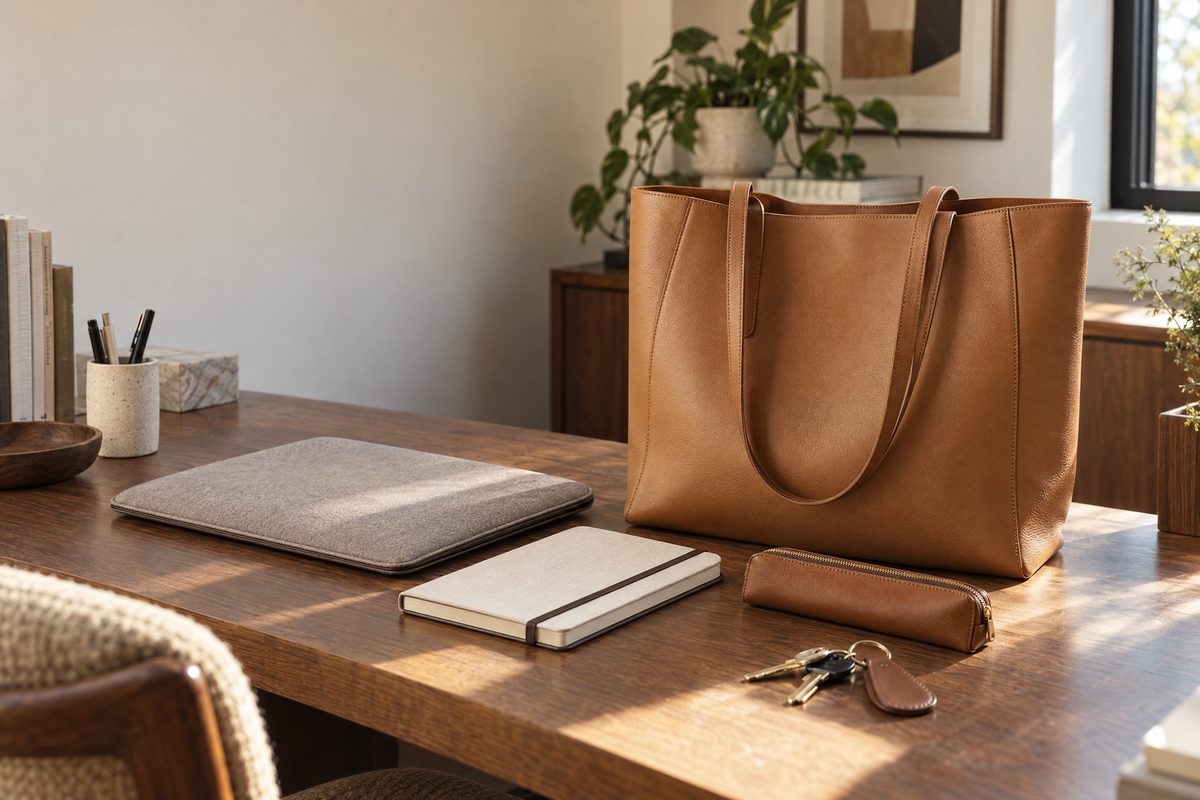
If you’re shopping specifically for a tote, page through our selections of tote bags to compare shapes and construction details side by side.
Stitching, Seams, and Bag Stitching Quality
Stitching is where bag construction reveals itself—good materials with poor seams won’t last. Bag stitching quality is one of the easiest things to inspect in person, and you can notice it in photos if you know what to look for.
What good stitching looks like
- Even stitch length. Inconsistent stitches or skipped stitches are red flags.
- Tight, secure thread with no loose ends or fraying.
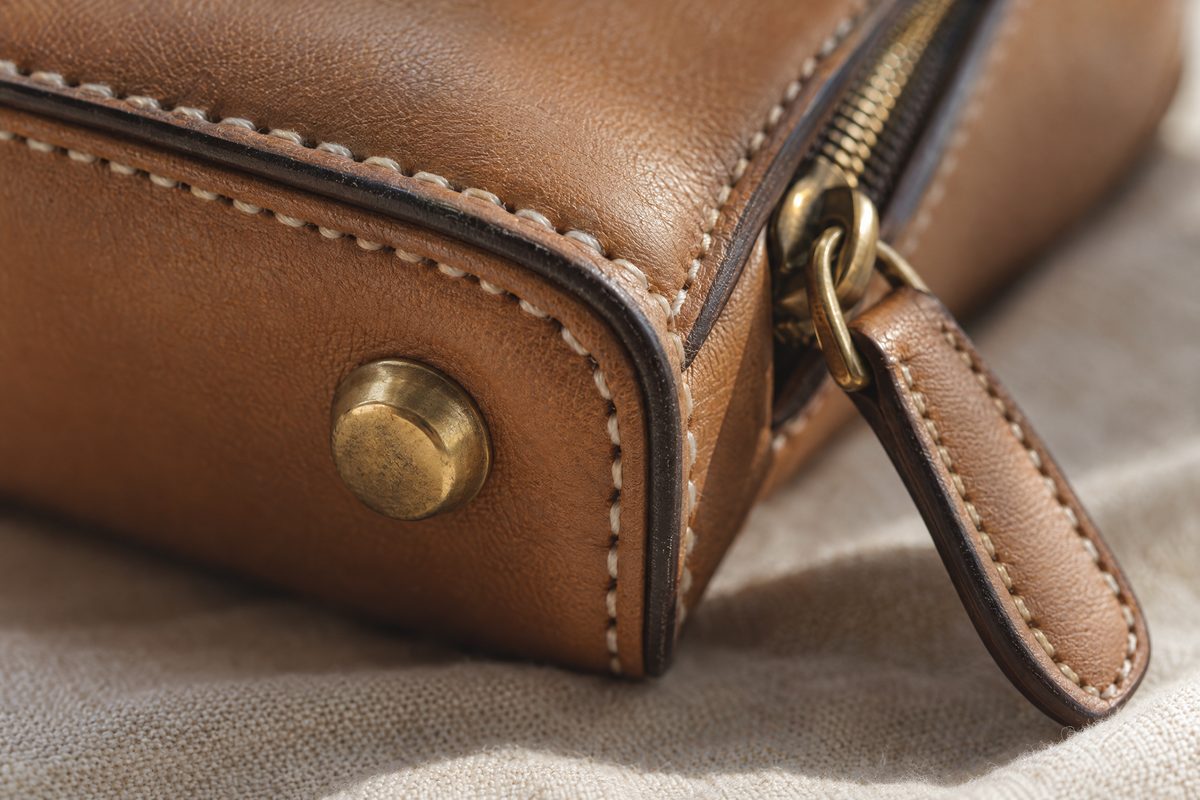
- Reinforced stress points: handles, zipper ends, and strap attachments should have extra rows of stitching or box-stitch patterns.
Types of stitches and why they matter
- Lockstitch (machine): Common, neat, and reliable for most canvas and leather goods.
- Saddle stitch (hand): Strong, a single broken thread won’t run the length of the seam—common in higher-quality leatherwork.
Practical checklist when judging stitching quality:
- Run your fingers along seams—do you feel bumps or gaps?
- Check handle attachments—are there extra rows of stitches or rivets?
- Look inside the bag—are the thread ends tucked or finished neatly?
A tote that will carry your daily load confidently almost always has tidy, reinforced stitching at the handles and top opening.
Hardware, Handles, and Leather Bag Hardware
Good hardware makes a bag functional and easy to live with. When we say leather bag hardware, we mean zippers, buckles, snaps, D-rings, rivets, and any metal piece meant to endure repeated handling.
Hardware you can trust
- Zippers: Metal or heavy-duty nylon zips are fine; the slider should move smoothly without catching. Metal teeth are classic on leather bags and stand up well to rougher use.
- Buckles and D-rings: Solid, with no wobble. Lightweight or hollow hardware can feel cheap and wear out sooner.
- Rivets and snaps: Look for even placement and proper backing so they don’t pull through leather or canvas.
Handle attachments and comfort
Handle construction is a part of hardware consideration—where the handle meets the bag is a frequent stress point. Check for:
- Box stitching, rivets, or a combination for reinforcement.
- Comfortable handle width—thin straps can dig into shoulders when the bag is heavy.
- Secure edge finishing where handles are glued or stitched to avoid separation over time.
Leather bag hardware should complement the material. For example, a thick cowhide tote paired with sturdy brass hardware gives long-term reliability without fuss.
Caring for a Well-Made Bag
Owning a well-made bag is a bit like having a reliable tool: a little care goes a long way. Proper maintenance preserves appearance and function, whether your bag is canvas, suede, or full-grain leather.
Daily habits
- Avoid overfilling. Even well-made bags have limits, and straps are often where wear shows first.
- Keep wet items contained in a small internal pouch or a waterproof cosmetic bag.
- Wipe canvas and PU leather with a damp cloth; allow to dry away from direct heat.
Leather care basics
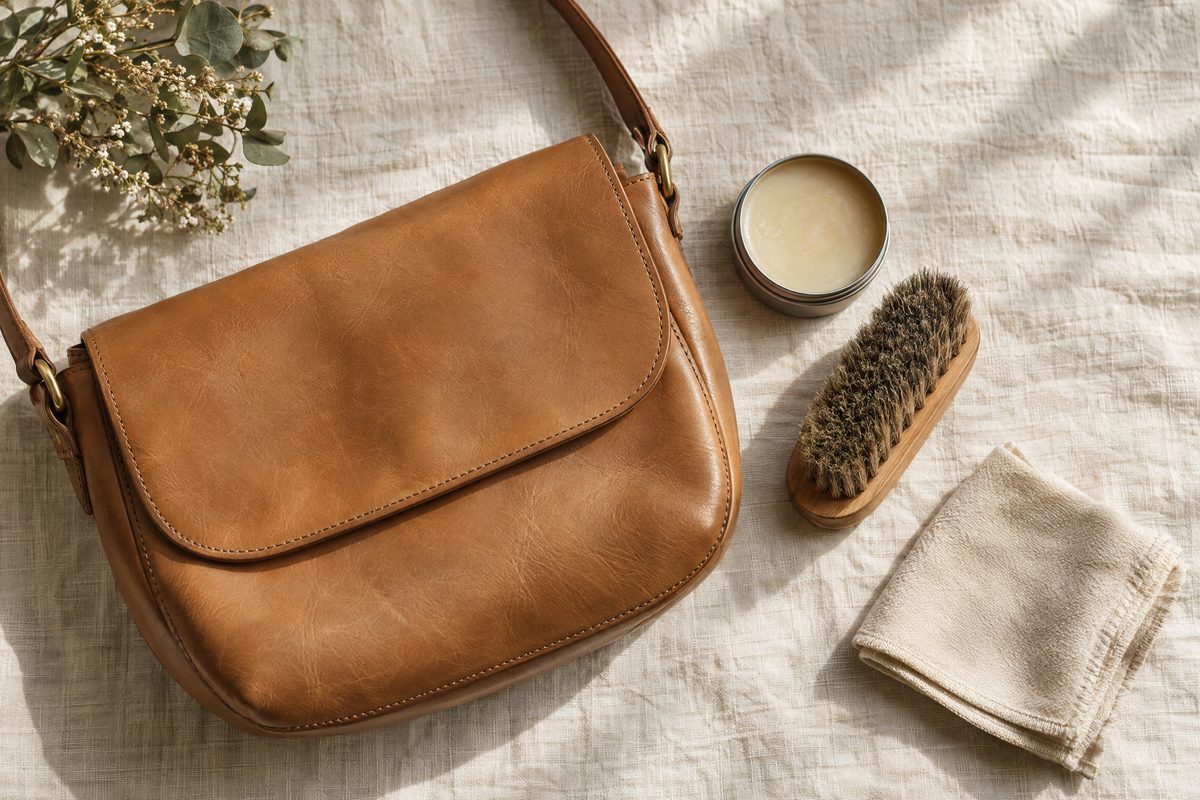
- Condition full-grain leather every 6–12 months with a neutral leather conditioner.
- For suede, brush gently to lift nap; use a suede protector spray before regular use.
- Test any cleaner on a hidden spot first.
Quick care checklist for longevity:
- Store the bag empty or lightly stuffed to keep its shape.
- Use a dust bag or cotton pillowcase for storage—avoid plastic, which traps moisture.
- Tighten loose screws on hardware or take the bag to a local repair shop if a rivet comes loose.
Quick Shopping Checklist: How to Choose a Well-Made Bag
- Material: Does the material suit how you'll use the bag?
- Stitching: Are seams even, and are stress points reinforced?
- Hardware: Do zippers and buckles operate smoothly and feel solid?
- Shape: Does the bag hold its shape when empty or lightly loaded?
- Care: Can you commit to the care that material requires?
This little checklist helps you narrow options whether you're comparing a canvas tote to a leather shoulder bag or deciding between split leather and full-grain hides.
Why Investing in a Well-Made Bag Pays Off
A well-made bag isn't about price or label—it's about utility and longevity. The upfront decision to choose materials and construction that fit your daily needs usually saves time and money: fewer replacements, fewer repairs, and a bag that earns character with wear.
When a tote keeps its shape month after month, when zippers still glide smoothly after years of use, or when a leather strap softens without losing strength—that's the quiet return on a practical choice.
Where to Find Yours
If you're ready to find a tote or another dependable carryall, Tin Bucket Mercantile carries thoughtfully made options priced for real life. Visit our Dallas, Georgia shop at 222 Main Street, Dallas, GA 30132, or browse our selection online—start with shop all bags. For hours, directions, or questions about a specific style, check our store location page or contact us and we'll help you pick a well-made bag that suits your routine.
Thank you for letting a small-town mercantile help you choose something practical, honest, and built to last.
Sizing & Capacity Guide: Choosing the Right Bag for Your Needs
Choosing the correct size is as important as choosing the right material. A well-made bag that’s too large will sag and wear faster; one that’s too small won't carry what you need. Use body proportions and intended use as your guide. A simple sizing checklist:
- Daily tote: 12–16" wide, 10–14" tall, 4–6" deep for everyday essentials.
- Work bag/laptop: Allow for laptop dimensions + 2" of clearance, plus a padded compartment.
- Weekend or travel bag: 18–22" wide or a carry-on-sized duffel for short trips.
Try these steps in-store or measure against a current bag: place items you routinely carry (laptop, water bottle, planner) on a flat surface and measure the footprint and height. This helps ensure a chosen bag’s shape and capacity match your routine without over-stressing seams or handles.
Common Mistakes to Avoid When Buying a Bag
Many shoppers choose on appearance alone and skip a few quick checks that reveal whether a bag will actually hold up. Avoid these common mistakes:
- Ignoring edge finishing: raw leather edges or unsealed canvas hems will fray and age poorly. A well-made bag will have clean, sealed edges.
- Overlooking interior structure: thin linings that hang loose or no internal reinforcement at the base mean faster wear.
- Choosing thin straps for heavy loads: narrow straps may look delicate but will dig in and stretch under weight.
Quick material comparison to keep handy:
| Material | Best for | Maintenance needs |
|---|---|---|
| Canvas | Everyday, casual use | Low; spot clean |
| Full-grain leather | Long-term, classic wear | Condition periodically |
| Split/PU leather | Budget-friendly styles | Moderate; avoid abrasion |
Using these tips helps you pick a well-made bag that actually performs in real life, not just one that looks good on a shelf.
Frequently Asked Questions
How often should I condition full-grain leather?
Condition full-grain leather roughly every 6–12 months depending on climate and use. In dry or hot climates, condition closer to every six months; in cooler, moister climates, once a year may be enough. Lightly clean the surface first, test the conditioner on an inconspicuous area, and apply sparingly—over-conditioning can darken leather or leave a tacky surface. For bags used daily, a quick wipe-down monthly helps keep dirt from embedding before conditioning.
Can I use the same care routine for canvas and leather bags?
No—canvas and leather require different care. Canvas tolerates water better and is easily spot-cleaned with mild soap and water; avoid soaking the bag and let it air dry. Leather should not be saturated—use a damp cloth for light cleaning and follow with a conditioner for full-grain pieces. Using leather cleaners on canvas can stain, and using canvas detergents on leather can strip natural oils, so treat each material according to its needs.
My bag handle is loose—should I repair it or replace the bag?
A loose handle is often repairable and worth fixing, especially on a well-made bag with solid main structure. Many handle issues involve loose rivets, worn stitching, or separated glue joints; a leatherworker or repair shop can re-stitch, reset rivets, or reinforce attachments. For low-cost bags, repair costs may approach replacement cost, but for quality materials like cowhide or well-made construction, repairing preserves value and extends life.