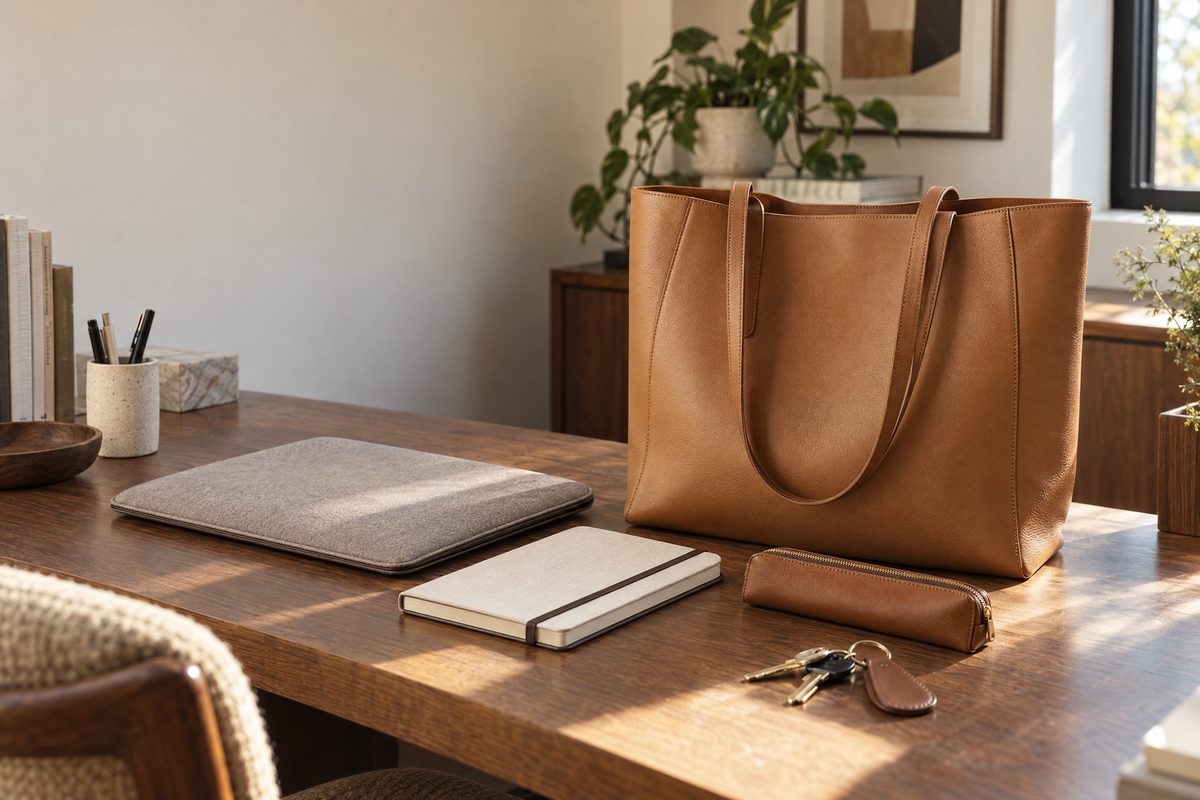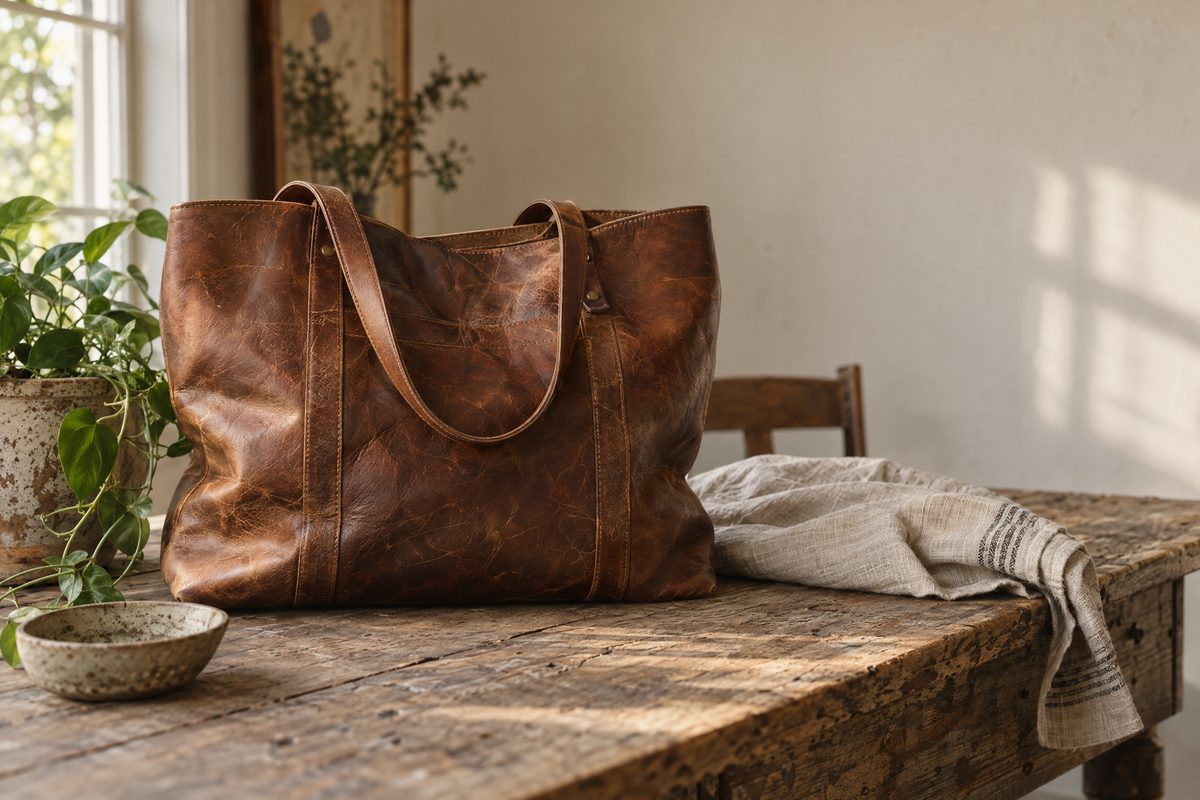
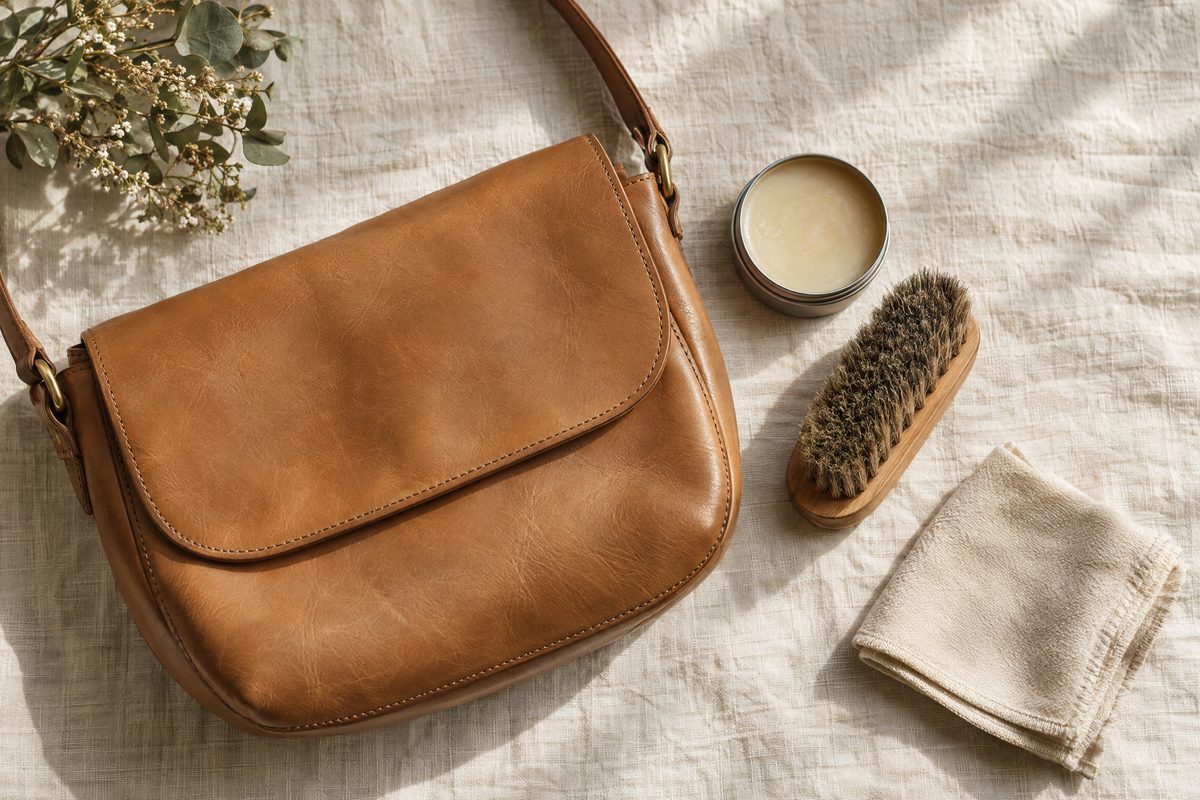
The leather tote bag history is a story of plain usefulness and steady craftsmanship. Before it became a wardrobe staple, the tote was a work bag: rugged, roomy, and honest. In this article we'll walk through that history, explain the meaning and origin of the tote bag, and offer straightforward advice for choosing and caring for a classic tote bag that will last.
Leather tote bag history: Early origins and practical beginnings
The earliest roots of the tote bag trace back to simple cloth and leather carriers used by workers, merchants, and farmers. The phrase "tote" shows up in American English in the 19th century as a verb meaning "to carry," which explains part of the tote bag meaning: an object built to be carried and to carry things. The leather tote bag history really begins in that practical zone—bags made for hauling tools, provisions, or papers rather than for fashion.
Leather was an early favorite because it resisted wear and handled weight. Saddlemakers and tanners supplied sturdy pouches and cases that gradually evolved in size and shape. By the early 20th century, craftsmen were building larger, open-top leather bags with reinforced straps that look a lot like the modern tote: a simple rectangular body, a wide opening, and straps long enough to fit over the shoulder.
Workhorses of daily life
- Dockworkers, traveling salesmen, and farmhands relied on leather carriers for the same reasons we appreciate them today: durability, structure, and straightforward repairability.
- Leather aged into a patina, marking the bag's service rather than hiding it.
These practical beginnings explain much of the leather tote bag history: it’s a tool first, accessory second. That down-to-earth origin is why many people still buy a leather tote for commuting, groceries, or weekend travel—uses that value reliability over flash.
Leather tote bag history: From workshop to wardrobe
As cities grew and shopping became more common, the tote moved from work to everyday life. Department stores and small shops began stocking roomy carry-alls. The simple silhouette lent itself to variation: extra pockets, reinforced bottoms, and different strap placements made the tote adaptable.
Designers and small manufacturers learned to balance function with neat details—stitching, rivets, and linings—so the bag could carry both heavy loads and daily essentials like ledgers or lunch. Over time, the classic tote bag gained a quieter kind of style: not trendy, but reliably good-looking.
The shape that stuck
A few traits that helped cement the tote's place in wardrobes:
- Open-top design for easy access
- Two straps long enough to carry by hand or over the shoulder
- A roomy single compartment, sometimes with inner pockets
Those traits are part of the leather tote bag history because they answered real needs. When you see a well-made tote today—especially a leather or canvas version—you’re looking at a design refined over generations to do everyday tasks without fuss.
Materials and construction: Why leather endures
Understanding the leather tote bag history means looking at what the bags are made from. Leather remains a favorite for several practical reasons: strength, structure, and how it ages. Other materials—canvas, suede, and synthetic leathers—have their place, but full-grain and split leather carry a reputation for longevity.
| Material | Typical use | What to expect |
|---|---|---|
| Full-grain leather | High-end durable totes | Ages with patina, very strong |
| Split leather / PU leather | Affordable, structured bags | More uniform surface, moderate durability |
| Canvas | Casual, lighter weight | Washable options, less formal |
When comparing materials, think about how you’ll use the bag. A leather tote built with reinforced stitching and riveted stress points will outlast a cheap canvas option if you plan to carry heavy loads daily. That practical durability is central to the leather tote bag history: bags were built to be used, fixed, and used again.
How construction affects longevity
- Stitching: Tight, even stitching resists pulling and fraying.
- Rivets and reinforcement: Stress points at the straps and base should be backed or riveted.
- Lining and structure: A canvas or leather lining protects the interior and helps the bag keep its shape.
Choosing and caring for a classic tote bag
Whether you’re shopping for your first leather tote or upgrading an old favorite, a few practical tips will help you pick something that feels right and lasts.
- Decide how you’ll use it. Daily work bag? Weekend companion? Grocery run support? Your use-case guides material and size choices.
- Check the straps. Look for straps that are stitched and, where needed, riveted to the bag body.
- Inspect the base. A reinforced bottom keeps the bag from sagging under load.
- Think pockets vs. openness. Internal pockets help organization, but a single large compartment keeps weight distribution simple.
- Why leather? Leather balances structure and flexibility. It holds shape better than many fabrics and tends to carry weight without bulging.
A short list of everyday care:
- Wipe away dirt with a dry cloth and use a soft brush on suede.
- Condition full-grain leather a couple times a year with a suitable leather conditioner.
- Avoid soaking leather; if it gets wet, let it dry naturally away from heat.
These steps honor the leather tote bag history of repair and continued life. People have always patched and conditioned leather to keep the bag serviceable; modern care products simply make that easier.
Practical uses and styling the classic tote
The beauty of the classic tote bag is its flexibility. It’s at home with work clothes, jeans, or a weekend outfit. For a small-town mercantile wardrobe, a leather tote pairs equally well with a simple dress or a flannel shirt.
Practical styling tips:
- For commuting: choose a tote with interior pockets for your phone and keys, and a padded sleeve if you carry a laptop.
- For errands: a softer, more forgiving leather makes loading groceries easier.
- For travel: a larger, structured tote that stows well in overhead bins or on train racks works best.
If you want to explore different silhouettes, see our selection of tote bags and other styles when you're ready to compare materials and sizes.
Classic tote bag features to look for
- Strong strap attachment (stitching + rivets)
- A good-sized opening for easy access
- Internal pockets for organization
- A reinforced base for heavy items
These features point back to the leather tote bag history: built to be useful, not merely pretty. When a bag includes these, you’re getting a piece that remembers its roots.
Where to Find Yours
If you're ready to bring a bit of that history into your everyday life, Tin Bucket Mercantile offers a selection of well-made tote bags in leather and canvas. Visit our shop online at shop all bags to see current styles, or stop by our Dallas, Georgia store at 222 Main Street, Dallas, GA 30132 to feel the leather and check the straps in person. For questions about fit, materials, or care, please contact us or call +1 404-409-5154.
For a little background on who we are and why we care about good, useful goods, read our story. If you prefer to browse the full shop, start at shop all bags and filter by size or material.
The leather tote bag history is a simple, sensible narrative: a bag born of need, refined by craft, and kept in use because it does its job well. When you choose a classic tote—particularly a leather one—you’re choosing something with a clear purpose and a long life. We’re happy to help you find the one that fits your daily routine.