People who care about what they carry are asking for sustainable leather bags that last, look good, and make sense for home, travel, and work. This article walks through what "sustainable" means for leather, how tote bags fit the slow fashion approach, and practical steps for buying and caring for pieces you’ll keep for years.
Why Sustainable Leather Bags Matter
Leather is durable and repairable in ways many synthetic materials aren’t. When done thoughtfully, sustainable leather bags combine time-tested craft with reduced environmental and social harm. Choosing sustainable leather bags means looking beyond buzzwords to specifics: how the hide is sourced, how the tannery treats wastewater, and whether the finished piece is designed for repair and reuse.
What to look for when assessing sustainability
- Traceability: Can the maker say where the hide came from? Traceability helps reduce unethical sourcing.
- Tanning method: Vegetable-tanned or chrome-reduced processes usually have lower chemical footprints.
- Design for longevity: Simple construction, replaceable hardware, and sturdy stitching all extend a bag’s life.
- Repairability: Pockets for easy patching, accessible seams, and a brand that offers fixes keep items out of the landfill.
Sustainable Leather Bags: How to Choose a Tote
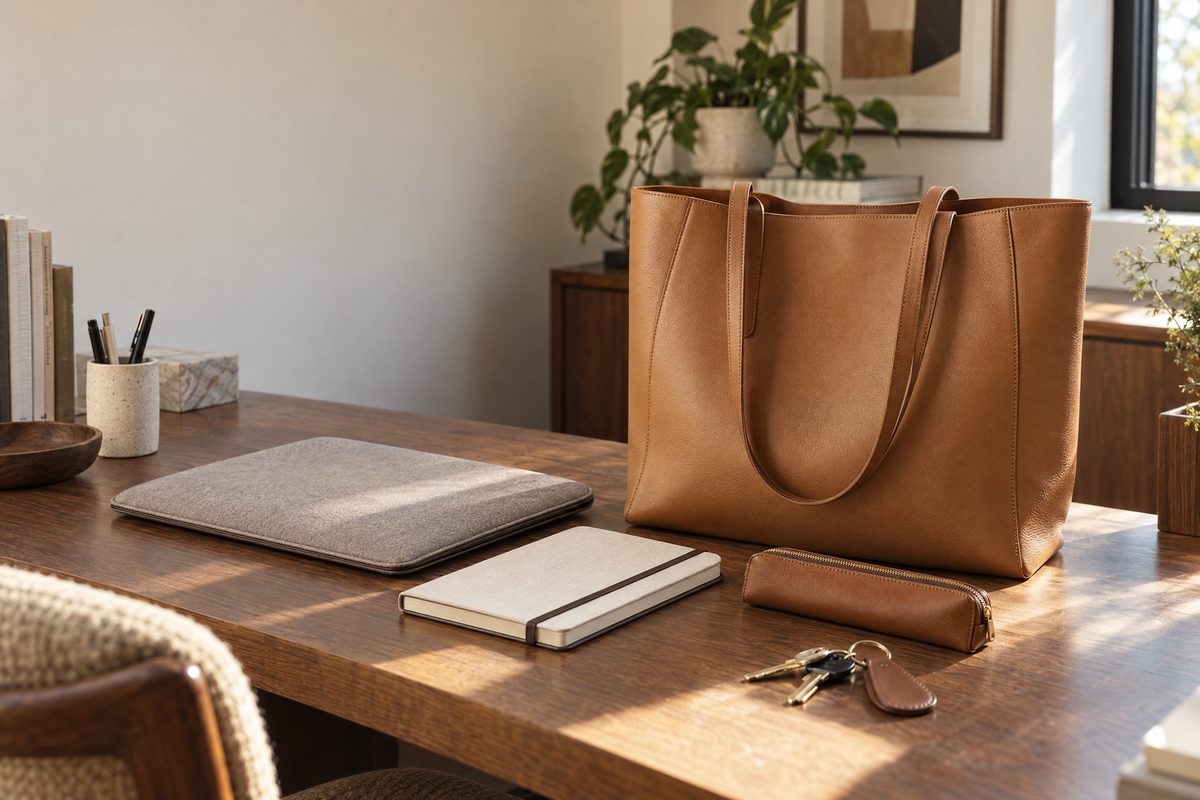
Tote bags are the everyday workhorses of a wardrobe: grocery runs, laptop commutes, and weekend markets. A sustainable leather tote blends utility with a smaller footprint than disposable alternatives.
Why a leather tote can be more sustainable than cheaper options
- Longevity: A well-made leather tote will often outlive several cheap fabric bags, reducing waste over time.
- Repair over replace: Leather takes patches and conditioning well; you can hand it down or have it repaired.
- Versatility: Use a leather tote for work, errands, and travel, reducing the need for multiple specialty bags.
Key features to prioritize in a sustainable tote
- Comfortable, reinforced handles (they’re the first thing to fail).
- A removable, replaceable shoulder strap or interior organizer.
- Hardware (zippers, buckles) that’s standard and replaceable.
- A lining that’s durable and, if possible, made from recycled or natural fibers.
You can browse our selection of practical, honest totes on the tote bags page to see examples of these features.
Materials, Ethics, and the Reality of Leather
Not all leather is equal. At small mercantiles like ours, we think in terms of real materials and real uses—not marketing extremes. Here’s a practical look at common materials and how they measure up for sustainability.
| Material | Durability | Sustainability note |
|---|---|---|
| Genuine cowhide | High | Long-lasting; assess tanning methods and traceability |
| Split leather & suede | Medium | Good look and feel; often paired with linings and coatings |
| PU leather | Low–Medium | Vegan alternative but may use plastics; best when used sparingly |
| Canvas (waxed or organic) | Medium–High | Durable and repairable; can be combined with leather accents for longevity |
Understanding "ethical leather"
The term ethical leather usually points to three things: humane animal sourcing, minimized environmental impact in processing, and fair labor practices. Look for brands that can speak to at least one of these plainly. Ask how hides were sourced and whether the tannery follows recognized waste-management practices.
Caring for Sustainable Leather Bags: Repair, Condition, and Slow Fashion Habits
Keeping a leather bag on the road for years is one of the most climate-friendly choices you can make. These slow fashion bags reduce turnover and demand for new production.
Basic care checklist
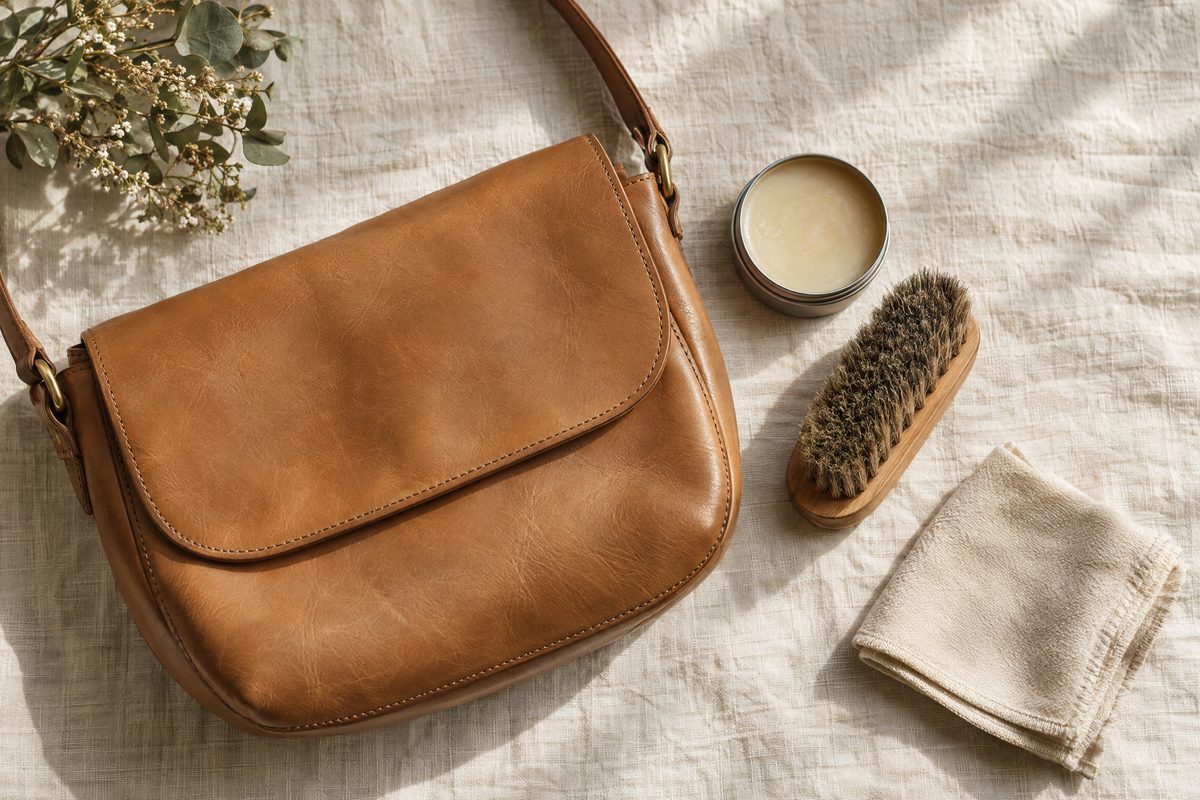
- Clean gently with a soft cloth and a mild leather cleaner when needed.
- Condition sparingly—too much oil can weaken stitches over time.
- Store in a breathable bag and avoid prolonged sun exposure.
- Replace straps or hardware early rather than discarding the whole bag.
Practical repair habits:
- Sew or patch small seam splits yourself or take them to a local cobbler.
- Replace a zipper or clasp; many hardware parts are standardized.
- Refinish edges and recondition rather than buying new.
These steps keep your tote serviceable and align with the values behind eco friendly bags and slow fashion bags.
Making Smart Choices: Questions to Ask Before You Buy
When evaluating a purchase, a short set of questions can reveal whether a bag fits your values and needs. These are practical, not perfect—no product is without trade-offs.
- Where did the raw materials come from?
- What tanning method was used?
- Is the design repairable and built to last?
- Are replacement parts available?
- Does the brand offer honest details about workers and suppliers?
If a seller can’t answer these simply, treat the purchase with caution. Honest merchants will speak plainly about materials and choices. For our part, we describe materials and construction on each item page and welcome questions via our story or the contact page.
Everyday Examples: Using a Tote as a Sustainable Statement
A tote is often the first bag people replace with better choices. Here are realistic uses that extend a tote’s life:
- Commuter carryall: one tote for laptop, lunch, and a light jacket.
- Market bag: foldable interior organizer keeps produce separate.
- Overnight bag: a roomy tote can handle a change of clothes and toiletries for short trips.
By choosing a well-made leather tote, you reduce the need for multiple single-use or trend-driven bags—this is the heart of slow fashion bags.
The Limits of "Sustainable" and Why Transparency Matters
No material is perfect. Genuine leather’s primary sustainability advantage is durability; however, its environmental footprint depends heavily on the supply chain and tanning process. PU leather avoids animal hides but adds plastics and microplastic concerns. Canvas can be excellent when organic or long-lasting, but low-quality canvas wears out faster.
That’s why the most practical path is transparency: brands that tell you what they do and why, and that offer repair or replacement support. A transparent approach lets shoppers weigh durability and ethics and choose the right trade-offs for their priorities.
Quick Guide: Buying and Living with Sustainable Leather Bags
- Buy fewer, better-made bags rather than chasing trends.
- Prioritize repairable construction and standard hardware.
- Condition and clean carefully to extend life.
- Consider mixed-material bags (leather + canvas) for practical, eco friendly bags.
Sizing and Practical Measurements for Totes
When choosing among sustainable leather bags, size matters as much as material. Think in terms of the items you carry daily and the dimensions that work with those contents. A typical commuter tote that fits a 13–15" laptop will be roughly 13–16" wide, 11–13" tall, and 3–6" deep. A market or weekend tote can be taller and deeper (14–18" tall, 6–8" deep). Look for interior pockets sized for phones (3" x 6"), water bottles (3" diameter), and a padded laptop sleeve if needed. Use a tape measure and a sample load of what you carry to confirm comfort and balance before you buy.
Material Comparison Checklist
A short checklist and reference table helps when you compare materials across brands and models of sustainable leather bags.
- Is the leather full-grain or corrected/top-grain? Full-grain ages better.
- Does the tannery use vegetable tanning or chrome-reduced processes?
- Are linings recycled or natural fibers?
- Is hardware standardized for replacement?
| Material | Best use | Sustainability tip |
|---|---|---|
| Full-grain leather | Everyday carry, ages well | Highest durability; looks better with age when well-cared for |
| Top-grain / corrected leather | Polished look, more uniform | Good balance of appearance and cost; check finishing chemicals |
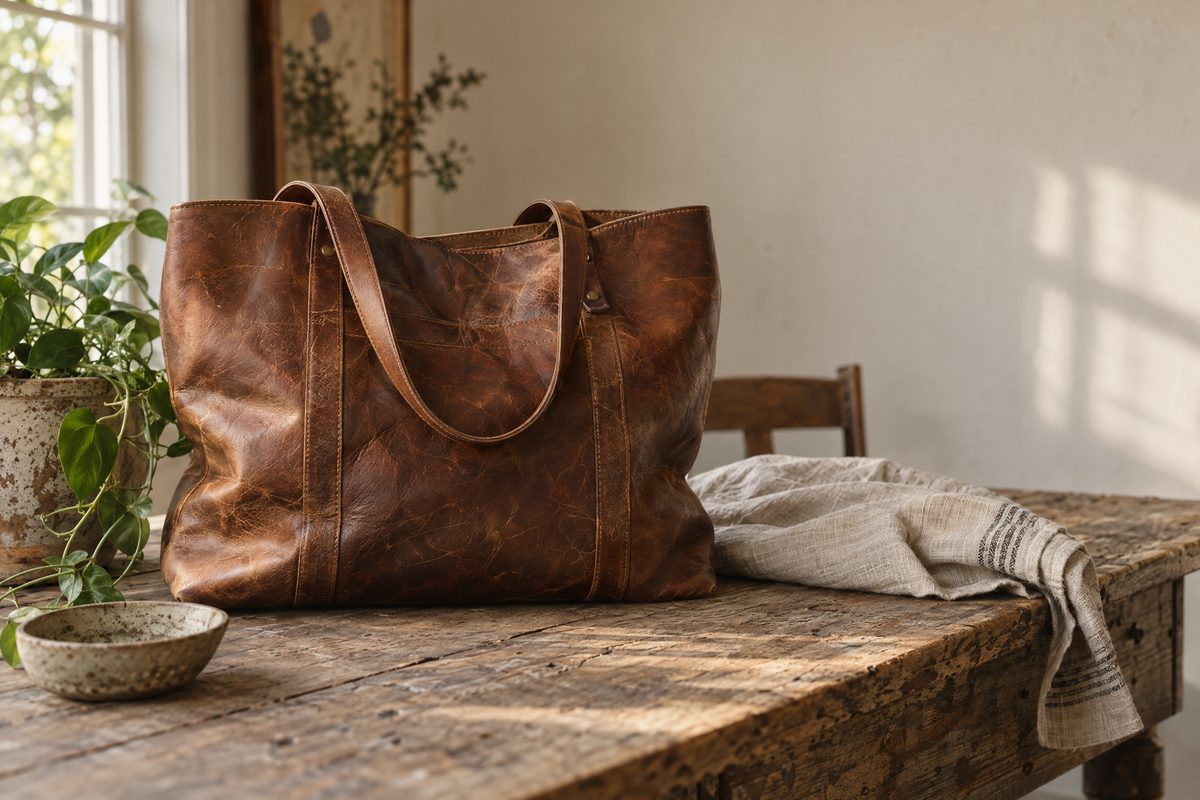
| Vegetable-tanned leather | Classic bags, develops patina | Prefer for lower chemical load and easier long-term repairs |
| PU leather | Occasional use, vegan option | Consider longevity; may shed microplastics over time |
| Waxed canvas + leather trim | Casual, rugged use | Canvas extends life of bag and reduces total leather needs |
Common Mistakes to Avoid with Leather Totes
Understanding common pitfalls helps preserve value and reduces waste when choosing sustainable leather bags.
- Buying by looks alone: If dimensions or construction don’t fit your routine, the bag won’t be used.
- Ignoring hardware replaceability: Non-standard zippers or rivets can make repairs costly.
- Over-conditioning: Too much conditioner can darken leather and weaken threads over time.
- Skipping small repairs: A loose seam left unattended quickly turns into an expensive fix.
- Storing improperly: Plastic bags trap moisture and promote mold; use breathable storage.
- Assuming vegan = greener: Some synthetic alternatives carry a heavier plastic footprint over their lifetime.
Where to Find Yours
If you’re ready to try a tote that’s made to last, Tin Bucket Mercantile carries a selection of thoughtfully built bags. Stop by our Dallas, Georgia shop at 222 Main Street, Dallas, GA 30132, call us at +1 404-409-5154, or visit our online collection to see practical tote options at shop all bags. For directions, hours, and more about our roots, check our store location and our story.
For questions about materials or to discuss repairs, you can also contact us. We’re a small-town mercantile that believes good things are worth keeping—and we’re here to help you find a tote or other bag that will be with you for years.
Frequently Asked Questions
Can a leather tote be considered "sustainable" if leather is an animal product?
Many sustainable leather bags prioritize longevity and traceability, which are central to sustainability. A durable leather tote that lasts decades reduces the need for multiple replacements, lowering lifetime material consumption. Sustainability also depends on sourcing and processing: hides that are byproducts of the food industry, responsibly managed herds, and tanneries with good wastewater treatment improve the overall footprint. Transparency from brands lets you evaluate these factors alongside durability.
How do I know if a tannery's vegetable tanning is truly more eco-friendly?
Vegetable tanning generally uses natural tannins and avoids heavy chrome, which reduces certain chemical pollutants. But not all vegetable tanning is identical—scale, waste handling, and energy sources matter. Ask brands whether the tannery treats effluent, recovers tannins, or uses lower-impact inputs. Certifications and third-party audits can help, but clear, specific answers about processes and emissions are the most practical sign of better practices.
Is it worth repairing a leather tote instead of buying new?
Yes. Repairing leather often requires fewer resources than producing a new bag and preserves the embodied environmental cost already invested in the original. Simple fixes—replacing a strap, restitching a seam, swapping hardware—are usually affordable and extend usable life considerably. Choosing repairable design and working with local cobblers or the brand’s repair service supports circular habits that make sustainable leather bags genuinely more sustainable over time.